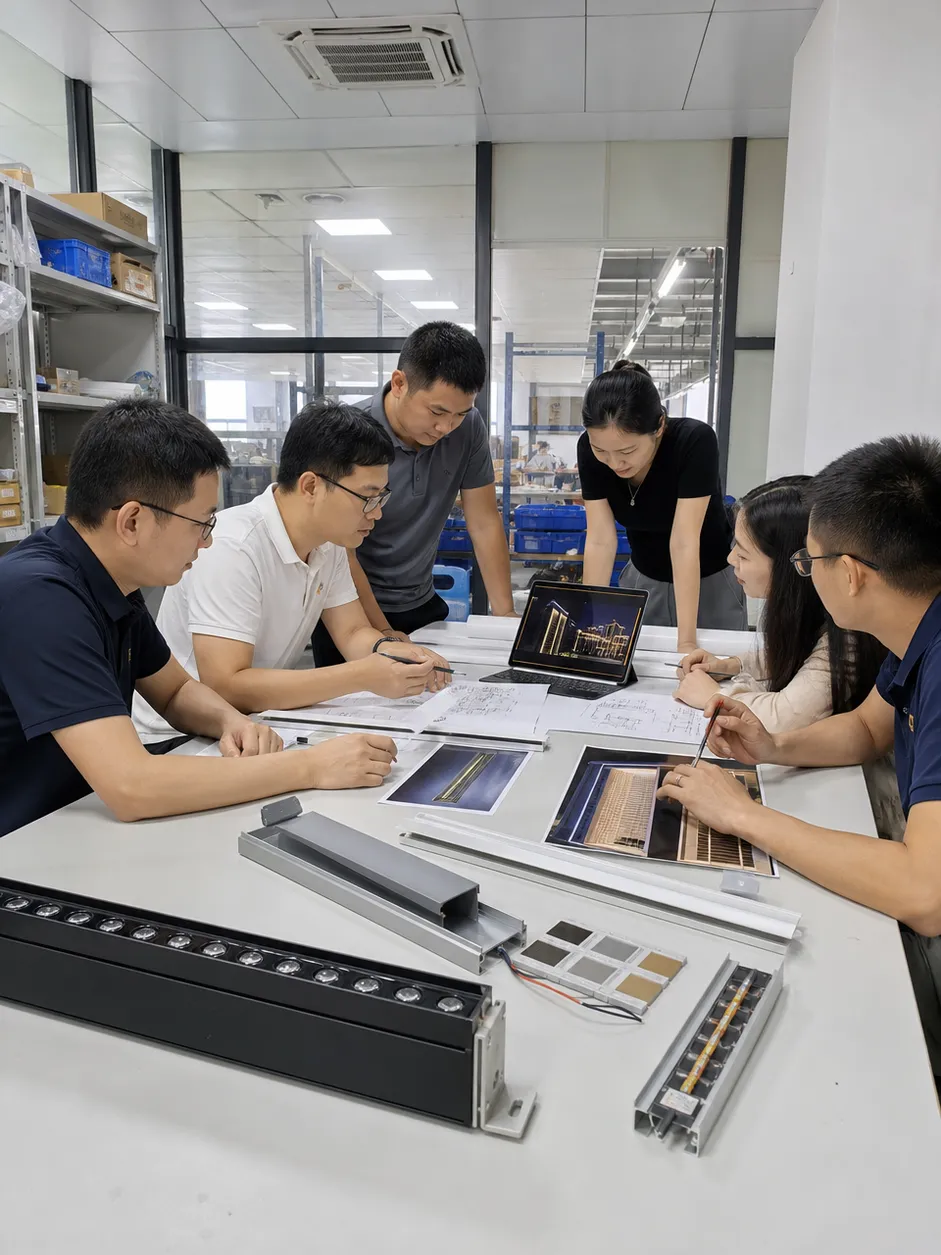

Custom Architectural Lighting
Project-spec architectural lighting, manufactured to your drawings — not adapted from catalog stock.
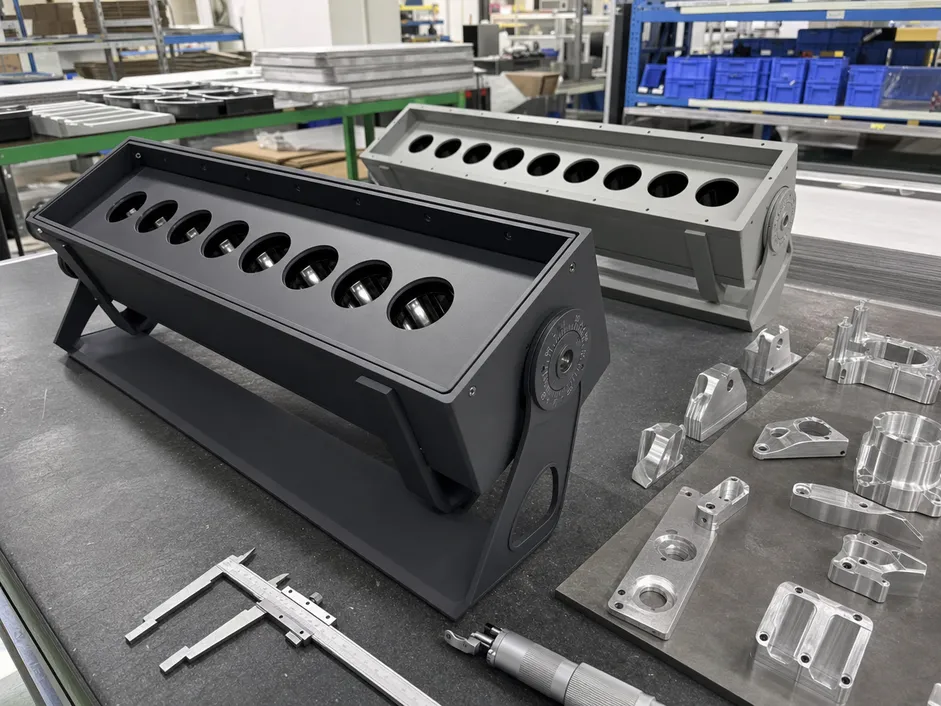
We build custom architectural luminaires from die-cast aluminum and CNC-machined components, with in-house photometric validation and 7–10 day prototype turnaround. CE, UL, and SAA certified for North American, European, and Australian project submissions.
What Custom Architectural Lighting Actually Means at the Manufacturing Level
Architectural lighting is a category where the word "custom" gets used loosely. A lot of factories mean "we can change the color." We mean something different: we manufacture to your project drawings, your specified dimensions, your photometric targets, and your destination-market certification requirements — from a single prototype through a full production run.
The distinction matters commercially. When you're supplying a hotel lobby, a commercial tower atrium, or a high-end retail fit-out, the lighting spec is written into the project documents. The fixture has to match those documents — not approximately, but exactly. A catalog fixture adapted with a different finish doesn't pass a project submittal review. A fixture built to spec does.
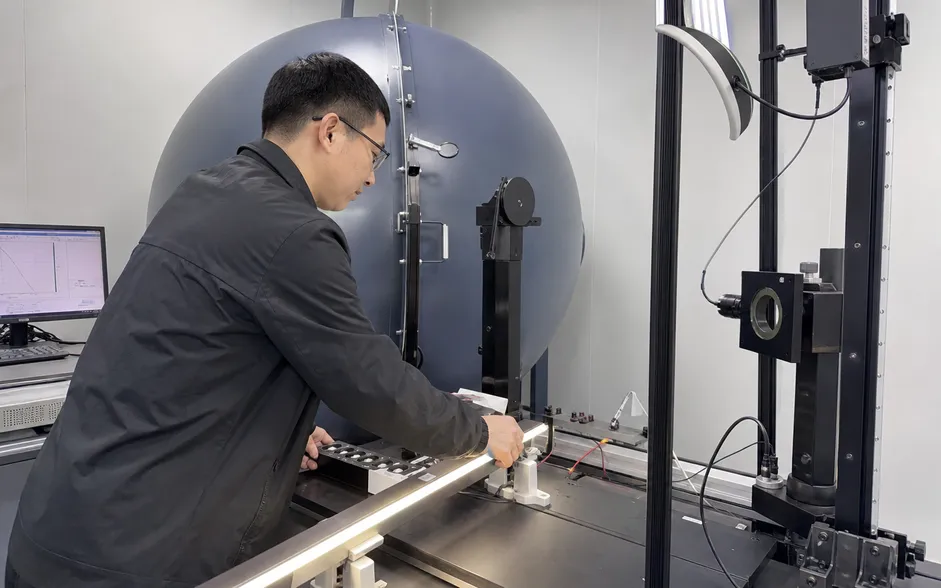
Our custom architectural lighting work starts in the optical lab, not on the production floor. Before we commit tooling, we validate beam angle, lumen output, and color rendering on a prototype. That sequence — validate first, produce second — is what separates a manufacturer with genuine engineering capability from an assembly operation that's guessing at photometric performance. For buyers who need IES files for project submissions, we generate them from our own measurements on the actual prototype, not from a generic datasheet.
Product Range Coverage
The product range covers ceiling-integrated architectural fixtures, linear systems, recessed architectural downlights, wall-wash luminaires, and bespoke statement pieces for feature spaces. If it mounts to a structure and requires photometric precision, we can build it.
- Ceiling-integrated architectural fixtures
- Linear systems
- Recessed architectural downlights
- Wall-wash luminaires
- Bespoke statement pieces for feature spaces
Validate First
Beam angle, lumen output, and CRI validated on the actual prototype before tooling commitment.
Real IES Files
Generated from our own measurements on the actual prototype — not from a generic datasheet.
Submittal-Ready
Fixtures built to spec pass project submittal review. Adapted catalog fixtures don't.
Specification Parameters for Project Submissions
The table below covers the typical specification range for our custom architectural lighting production. These are working parameters — actual values for your project are confirmed during the engineering review and reflected in the prototype approval documentation.
| Parameter | Typical Range / Standard |
|---|---|
| Housing material | ADC12 die-cast aluminum; zinc alloy available for smaller components |
| CNC tolerance on mounting dimensions | ±0.1mm |
| Wattage range | 5W – 200W per fixture (multi-module systems higher) |
| Color temperature | 2700K – 6500K; tunable white available |
| CRI | Standard ≥80; high-CRI ≥90 and ≥95 available |
| Beam angle | 15° – 120°; custom optics available for tighter or asymmetric distributions |
| Driver compatibility | DALI, 0–10V, Triac, phase-cut dimming; specified per project |
| IP rating | IP20 standard; IP44 and IP65 available for wet/outdoor-adjacent applications |
| Surface finishes | Powder coat (60–80μm), electroplating, PVD, anodizing; any RAL color |
| Certifications | CE, UL, SAA; RoHS compliant |
| Voltage | 100–240V AC universal; 12V/24V DC low-voltage available |
| Prototype lead time | 7–10 working days from approved drawings |
| Production lead time | 30–45 days from prototype approval (tooling-dependent) |
Specifications are confirmed per project during engineering review. Contact us with your project drawings for exact parameters and a detailed quote.
±0.1mm CNC
Mounting dimension tolerance on all CNC-machined components.
CRI ≥95
High-CRI options available for hospitality and retail applications.
5W – 200W
Per fixture wattage range; multi-module systems go higher.
IP20 – IP65
Standard through wet/outdoor-adjacent ingress protection ratings.
The Engineering Process: From Your Drawings to a Certified Prototype
Most of the risk in custom architectural lighting sits in the gap between what a drawing specifies and what a factory actually produces. We close that gap with a structured engineering process that runs before production starts — not after.
When you send us a project spec or design brief, the first step is an engineering review by our structural and optical teams. We're looking at three things simultaneously: whether the geometry is manufacturable at the required tolerance, whether the optical cavity can achieve the specified photometric performance, and whether the driver configuration is compatible with the destination market's dimming infrastructure.
(We've seen projects where the specified dimming protocol — DALI 2 in particular — wasn't compatible with the driver the original designer had in mind. Catching that in the engineering review costs nothing. Catching it after production is expensive for everyone.)
From Approved Drawings to Prototype Delivery
CNC Machining
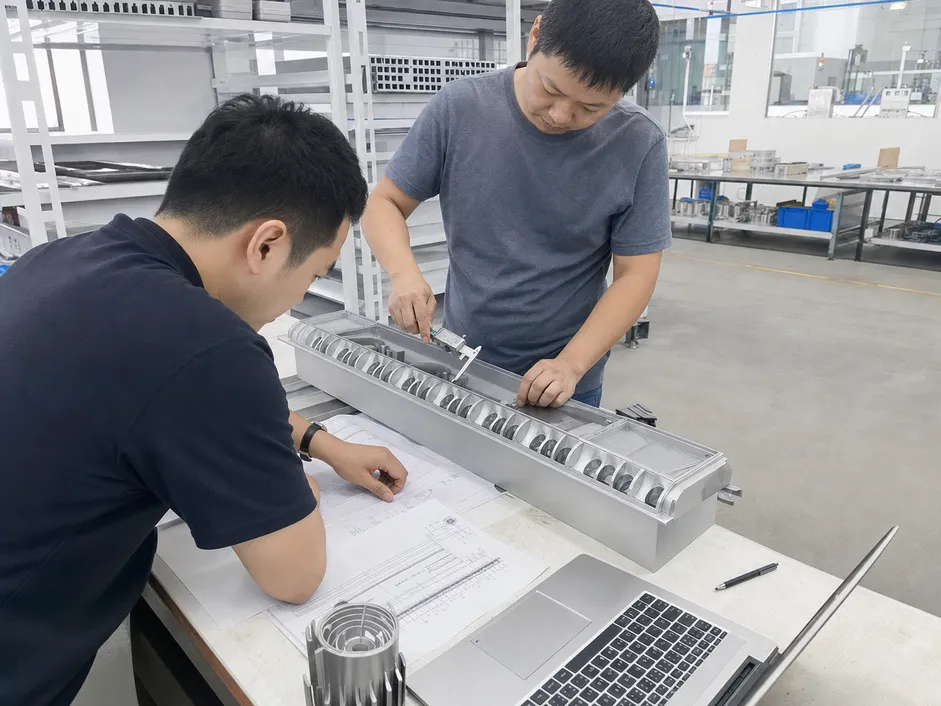
Prototype housings CNC-machined in-house from approved drawings with provisional surface finishing applied.
Driver Integration
Specified driver integrated and configured for the destination market's dimming infrastructure and protocol requirements.
Photometric Testing
Full photometric testing in the optical lab, generating IES files and test reports for submittal documentation.
Prototype Package
Physical sample, photometric test report, IES file, and dimensional inspection report delivered for submittal approval.
Prototype Revisions
If the prototype requires revision — beam angle adjustment, finish modification, dimensional correction — we turn around a revised sample within 5–7 working days. Most projects land within two prototype iterations. The ones that run longer are usually projects where the original design had unresolved optical requirements, which is why we flag those during the initial engineering review rather than quoting them straight through.
Tooling Commitment Sequence
Production tooling is committed only after prototype approval. That sequence protects your budget: tooling for architectural fixtures runs in the range of several thousand USD depending on complexity, and committing it before photometric validation is a risk we don't recommend.
Market Segments Where Custom Architectural Lighting Generates Repeat Volume
Architectural lighting customization isn't a one-off transaction for most buyers who work with us. The segments below generate repeat project volume because the underlying market demand is structural — not trend-dependent.
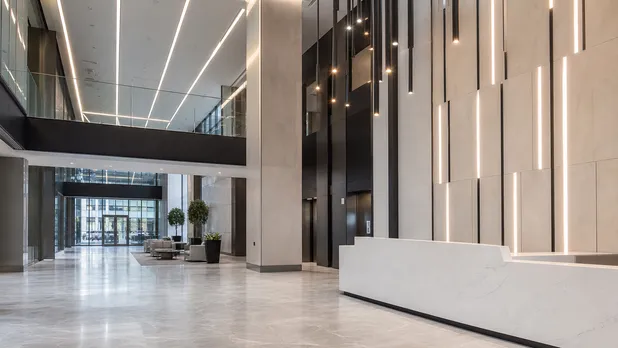
Commercial & Mixed-Use Development
Developers and their lighting designers specify custom architectural fixtures for lobbies, corridors, and feature spaces where standard catalog products don't meet the design intent.
Contractors who establish a supply relationship for one project get specified on the next one — the design team already knows the documentation process works.
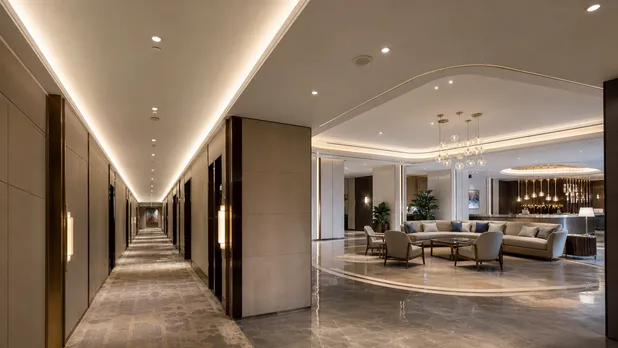
Hospitality Fit-Out & Renovation
Hotels renovate on 7–10 year cycles, and the lighting spec is typically custom to the brand's design standards. The renovation cycle means your hospitality accounts reorder on a predictable schedule.
This segment has been our strongest growth area over the past three years, particularly for Middle East and Southeast Asian properties.
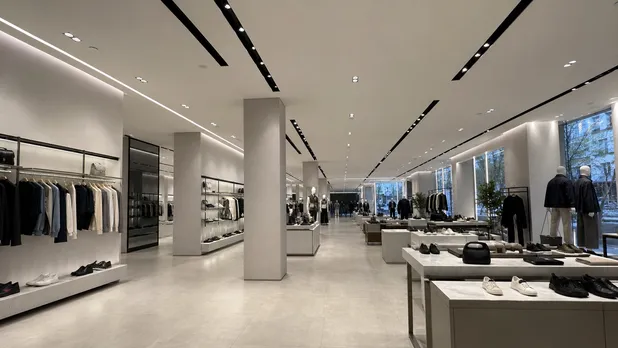
High-End Retail & Flagship Stores
Retail chains with flagship locations specify architectural lighting that reinforces brand identity — beam angles, color temperatures, and fixture profiles consistent across locations.
The chain's expansion pipeline means the relationship compounds over time as new locations are added.
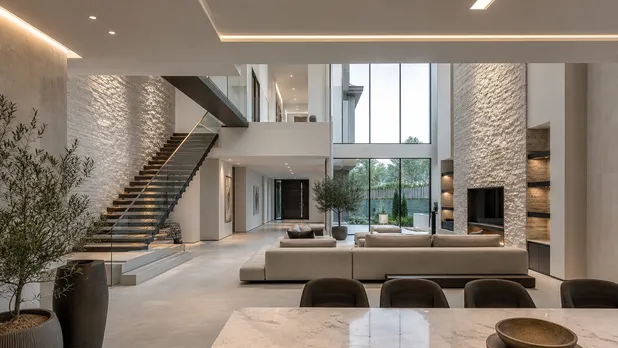
Luxury Residential & Villa Projects
High-specification residential projects — villas, penthouses, premium apartment developments — increasingly specify architectural lighting that integrates with the architectural envelope rather than sitting on top of it.
The margin on custom architectural fixtures in this segment is meaningfully higher than standard decorative product.
Institutional & Cultural Facilities
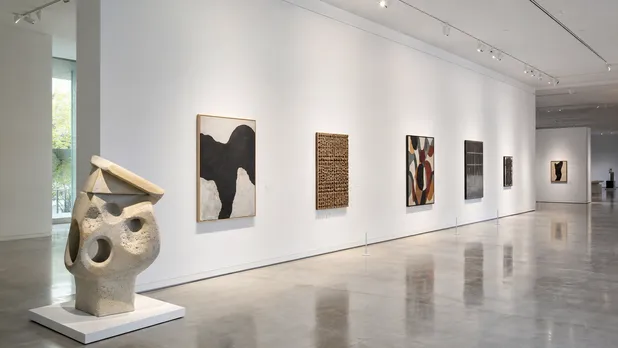
Museums, galleries, performing arts centers, and corporate headquarters specify architectural lighting with precise photometric requirements — beam control for artwork illumination, tunable white for circadian applications, or high-CRI for color-critical environments.
These projects generate strong referral pipelines within the design community due to their visibility and specification rigor.
Discuss Your Target Market Segment
Whether you're serving hospitality, commercial, retail, residential, or institutional markets — we can align our engineering and production process to your project pipeline.
Customization Scope and Practical Limits
Understanding what can and can't be customized — and what customization costs in terms of MOQ and lead time — is the information you need to evaluate whether a project is viable before you commit to a quote.
What We Customize Without Tooling Investment
Runs on existing tooling — no MOQ or lead-time impact
- Finish color — any RAL, standard metallic, or custom-matched
- Color temperature — full CCT range available
- CRI grade — standard or high-CRI options
- Driver protocol — DALI, 0–10V, Triac
- Wiring configuration and cable length
What Requires New Tooling
Adds 15–20 days + one-time tooling cost quoted separately
- Housing geometry — custom die-cast or CNC-machined forms
- Mounting configuration — non-standard bracket or recess profiles
- Optical cavity dimensions — reflector or lens geometry changes
- Any dimensional change that affects die-cast or CNC components
For projects with sufficient volume, tooling cost is typically absorbed within the first production run.
MOQ Structure
What We Can't Do
We don't manufacture outdoor-rated fixtures above IP65 for direct weather exposure — our architectural range is designed for interior and covered exterior applications. We don't produce fixtures requiring ATEX certification for hazardous environments. For projects requiring these specifications, we'll tell you upfront rather than quoting and discovering the limitation later.
Certifications and Compliance for Project Submissions
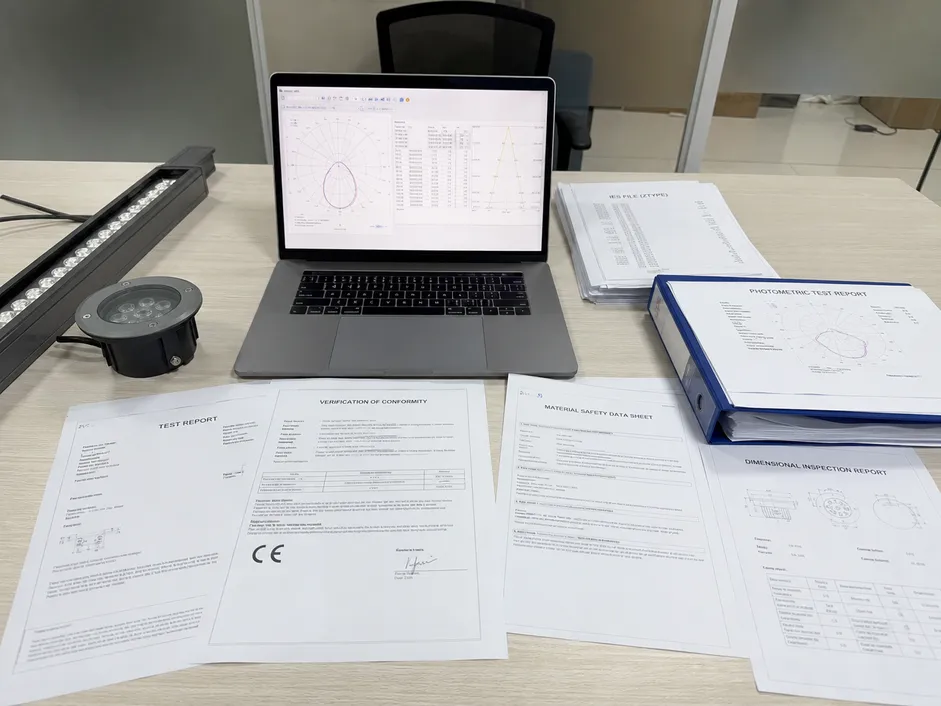
Custom architectural lighting for commercial projects requires documentation that survives a project submittal review. The certifications we hold and maintain are listed here alongside the documentation package we deliver for each custom project.
LVD & EMC Directives
UL 1598 Luminaires
2015 Certified
EU Import Required
Audit & Testing
Documentation Package Per Project
- CE Declaration of Conformity (or UL test report for North American projects)
- Photometric test report
- IES file
- Material safety data
- Dimensional inspection report
Additional documentation available per SKU: REACH compliance statements, specific material certifications, country-of-origin documentation for customs.
Practical Note on UL for Custom Fixtures
UL listing for a custom architectural fixture requires the fixture to be tested as a complete assembly, not just the components. We manage this process for projects where UL listing is required — it adds time and cost to the prototype phase, but it's the only path to a compliant fixture for the North American commercial market. We'll flag this requirement during the initial engineering review so it's in your project timeline from the start.
Production Quality: What Happens Between Prototype Approval and Container Loading
The gap between a good prototype and a consistent production run is where most custom lighting projects go wrong. Our production QC for architectural fixtures runs four stages.
Incoming Inspection
Aluminum alloy grade verification on die-cast material, driver batch testing against the approved specification, and dimensional checks on purchased optical components. We don't start production on a batch until incoming inspection clears — a driver batch that fails spec at incoming costs a day; the same failure at outgoing costs a container.
In-Process Inspection at Three Checkpoints
- After die-casting and CNC machining: Dimensional verification against approved drawings, ±0.1mm tolerance
- After surface finishing: Finish thickness measurement, adhesion test, color consistency check against approved sample
- After assembly: Wiring verification, driver integration check, mechanical assembly inspection
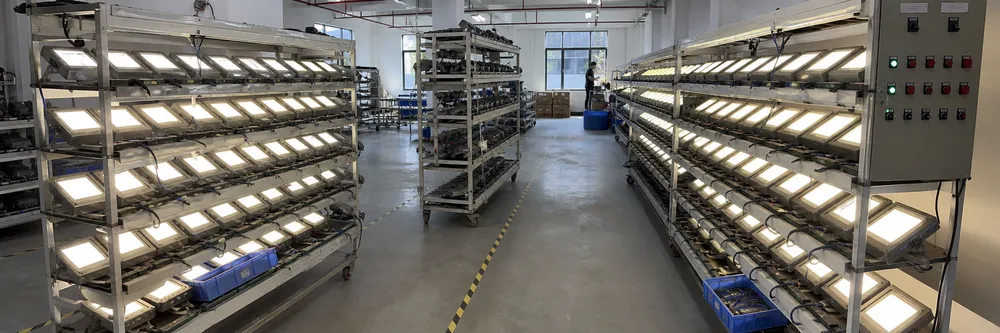
100% Aging Test
Every luminaire runs powered for a burn-in period before packing. LED driver failures, wiring faults, and early-life component failures show up here.
For architectural fixtures going into commercial projects, this isn't optional — a fixture failure during a hotel opening or a retail launch is a warranty claim and a relationship problem. The aging test is what prevents it.
Outgoing Photometric Verification
A sample from each production batch is tested in the optical lab against the approved photometric spec. Lumen output, color temperature, and beam angle are checked.
If a batch drifts outside the approved tolerance — which happens occasionally when a driver lot has a slightly different output characteristic — it doesn't ship until we resolve it.
Packaging and Logistics for Project Deliveries
Custom architectural fixtures for commercial projects have specific logistics requirements that affect your landed cost and your installation timeline.
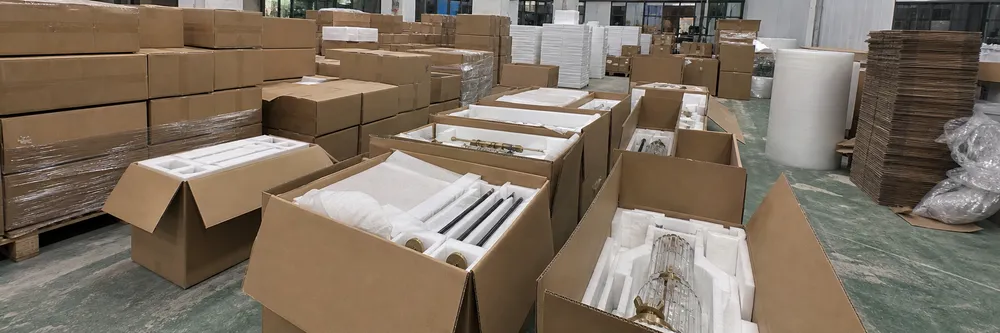
Individual Fixture Packaging
Each fixture ships in an individual foam-lined carton with internal bracing matched to the fixture geometry. For fragile elements — glass diffusers, exposed metal arms, precision optical components — we add secondary internal packaging after seeing damage patterns from specific shipping routes.
The Middle East and Australia routes have the most handling touchpoints; we've adjusted packaging for those lanes accordingly.
Zone-Based Packing for Installation Sequencing
For project deliveries where installation sequencing matters, we can pack by zone or floor — fixtures for Level 3 in one pallet, Level 4 in another — so your installation team isn't sorting through a mixed container on-site.
This requires coordination during the order confirmation stage, not after the container loads.
Container Loading Efficiency
Standard architectural fixture cartons are dimensioned for 40HQ loading. For large projects, we optimize carton dimensions to maximize units per container — a 5–8% improvement in loading efficiency is real freight savings on a 1,000-unit order.
Import Documentation Package
For buyers supplying into markets with strict import documentation requirements (North America, Australia, EU), we prepare the full documentation package as a standard part of the shipment. Your import team shouldn't be chasing documents after the container ships.
Standard documentation included:
- Commercial invoice
- Packing list
- Certificate of origin
- Test reports
- Declaration of Conformity
Frequently Asked Questions
What is the minimum order quantity for custom architectural lighting?
What is the minimum order quantity for custom architectural lighting?
For projects using existing tooling (finish changes, driver protocol changes, color temperature changes), MOQ starts at 50 units per SKU. For projects requiring new die-cast tooling or CNC-machined components, MOQ is typically 100 units minimum.
Large-scale projects (500+ units) can discuss phased delivery and dedicated line allocation. Contact us with your project volume and we'll confirm the applicable MOQ.
How do you handle photometric requirements for project submittals?
How do you handle photometric requirements for project submittals?
We run photometric testing in our in-house optical lab on every prototype. The test report and IES file are generated from measurements on the actual prototype assembly — not from component datasheets.
These documents are included in the prototype approval package and are formatted for use in project submittal documentation. If your project requires specific photometric formats (EULUMDAT, for example, for European projects), we can provide those as well.
What dimming protocols do you support for architectural fixtures?
What dimming protocols do you support for architectural fixtures?
We support DALI (including DALI 2), 0–10V, Triac, and phase-cut dimming. The driver is specified per project based on your building management system requirements and the destination market's standard infrastructure.
For projects where the dimming protocol isn't yet confirmed, we can build in driver flexibility — some driver platforms support multiple protocols — but this needs to be discussed during the engineering review, not after production starts.
Can you match an existing fixture from another manufacturer?
Can you match an existing fixture from another manufacturer?
Yes, with qualifications. We can reverse-engineer a fixture from a physical sample or detailed drawings and produce a functionally equivalent version. The photometric performance, finish, and dimensions can be matched closely.
What we can't do is reproduce another manufacturer's proprietary optical system or patented design elements. Send us the sample or drawings and we'll give you an honest assessment of what's achievable and at what cost.
What is the lead time for a custom architectural lighting project from first contact to production delivery?
What is the lead time for a custom architectural lighting project from first contact to production delivery?
Engineering review and prototype: 7–10 working days from approved drawings.
Prototype revision (if needed): 5–7 working days.
Production after prototype approval: 30–45 days, depending on tooling requirements. If new tooling is needed, add 15–20 days before production starts.
Total timeline from first contact to container loading typically runs 8–12 weeks for a standard custom project. We communicate milestones proactively — if anything is going to affect your ship date, you hear about it before the container is supposed to load.
Other Custom Lighting Options in This Range
If custom architectural lighting isn't the right fit for your current project, the other products in our custom decorative lighting range may be:
Custom Lighting Fixtures
Broader custom fixture range covering decorative and functional applications.
View rangeCustom Pendant Lighting
Custom pendants for residential and hospitality projects where the fixture is a design statement.
View rangeCustom Wall Sconces
Custom wall-mounted fixtures for corridors, lobbies, and feature walls.
View rangeHospitality Custom Lighting
Full custom lighting programs for hotel and restaurant projects, covering multiple fixture types under one project umbrella.
View rangeStart Your Custom Architectural Lighting Project
Send us your project drawings, spec sheet, or even a reference image of what you're trying to achieve. Our engineering team will review the photometric requirements, flag any manufacturability issues, and come back with a detailed quote that includes prototype cost, tooling cost (if applicable), unit pricing at your target volume, and a realistic timeline.
Most architectural lighting projects start with a conversation about what the spec actually requires versus what's achievable at the target budget. We've had enough of those conversations to be useful — and to tell you honestly when a spec needs to be adjusted before it goes to production.
Address
No. 14 Beisan Rd, Gusan Ind. Zone, Guzhen, Zhongshan, Guangdong, China
Wholesale only. Strict MOQ applies.
Request a Quote for Custom Architectural Lighting