

Recessed Spotlights Built for Commercial Specification
Die-cast aluminum, photometrically verified, CE/UL/SAA certified from the factory floor.
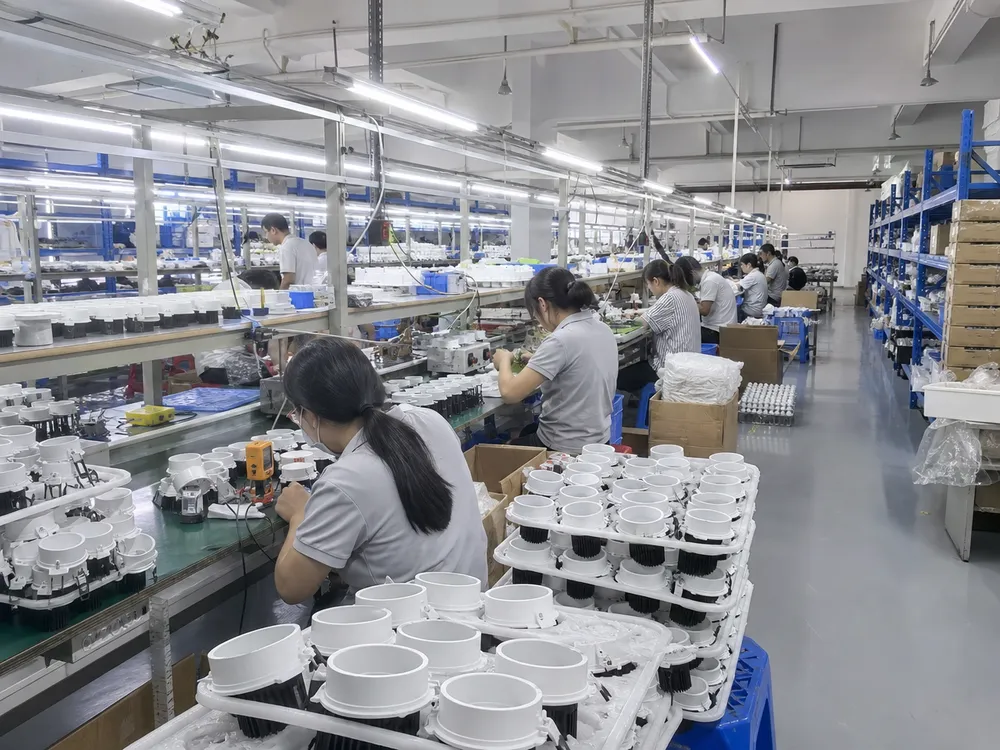
We've been manufacturing recessed lighting and recessed downlights since 2008. Every unit ships after 100% aging test and photometric verification — your downstream customers don't become your QC department.
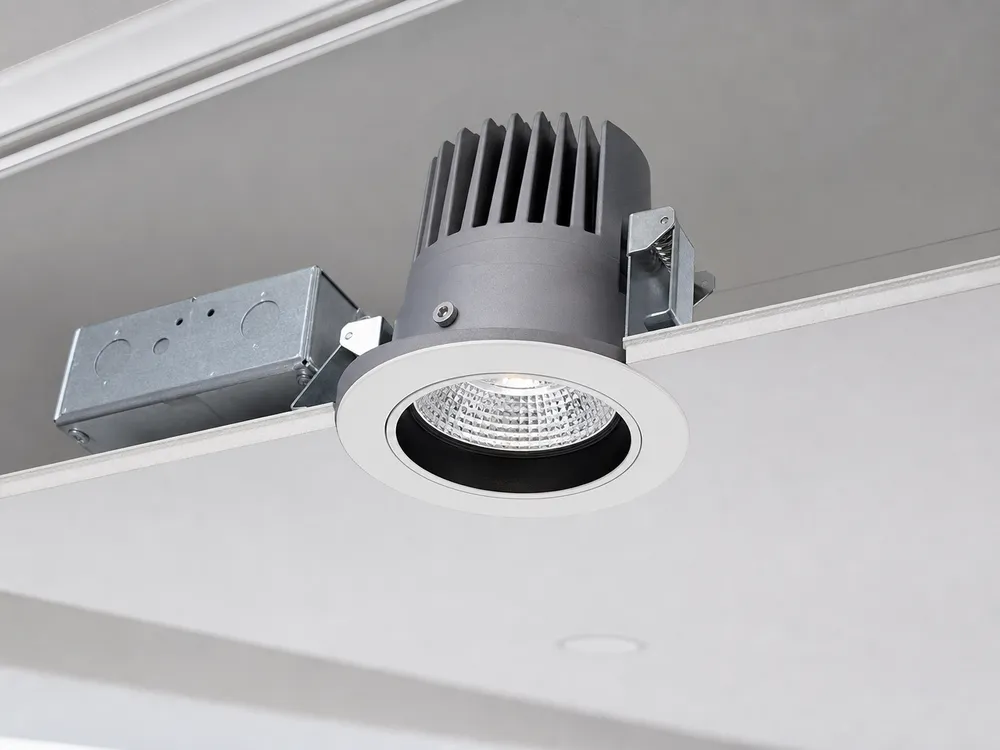
What Separates Recessed Spotlights from the Rest of the Spotlight Range
Recessed spotlights sit in a specific position in the spotlight family — and it's worth being precise about what that means for your sourcing decision. Unlike surface-mounted ceiling spotlights or track-mounted heads, recessed spotlights are trimless or trim-ring fixtures that install flush into a ceiling cutout, with the housing sitting above the ceiling plane. The visible aperture is the only thing your end customer sees.
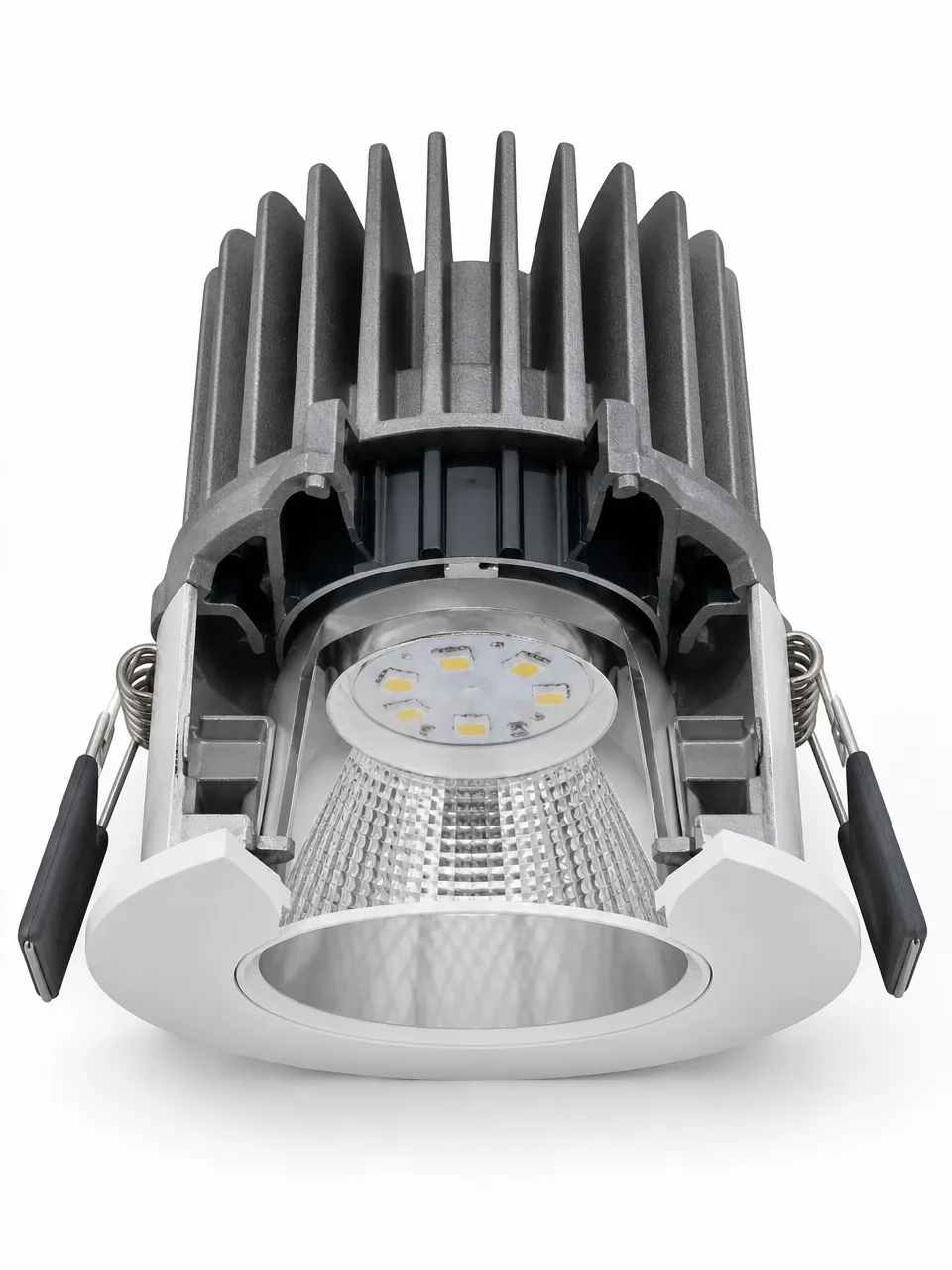
That geometry creates two sourcing challenges that don't apply to other spotlight types: the housing must be dimensionally consistent enough that the trim ring seats correctly across an entire batch, and the thermal management has to work without the airflow that surface-mounted fixtures benefit from.
We run recessed spotlights on a dedicated production sequence that addresses both. Die-cast aluminum housings are machined to ±0.1mm on the trim-ring seating diameter — that's the tolerance that determines whether your installer gets a clean flush fit or a visible gap.
The housing geometry also doubles as the heat sink: we design the fin profile and wall thickness to keep junction temperature below 75°C at rated wattage, which is where LED lumen maintenance starts to degrade meaningfully over time. (We've seen what happens when the housing is undersized for the driver — the LED package runs hot, output drops 20% by year two, and the warranty claims follow. The fin geometry isn't decorative.)
Within the broader spotlights and track lighting range, recessed spotlights are the specification-sensitive option — the one where dimensional accuracy and thermal performance matter more than visual design flexibility. If your project or product line calls for a clean ceiling plane with no visible fixture body, this is the product. If you need directional flexibility after installation, our adjustable spotlights are the better fit.
±0.1mm Trim-Ring Tolerance
Machined seating diameter ensures clean flush fit across entire production batches — no visible gaps at install.
Junction Temp < 75°C
Fin profile and wall thickness engineered to maintain LED lumen output long-term — preventing the 20% year-two degradation from undersized housings.
Dedicated Production Sequence
Recessed spotlights run on their own line addressing dimensional consistency and enclosed thermal management simultaneously.
Technical Specifications
These are industry-standard parameters for commercial-grade recessed spotlights. Actual specifications vary by SKU and customization requirements — contact us for product data sheets on specific configurations.
Standard Specification Sheet
| Parameter | Standard Value |
|---|---|
| Housing material | Die-cast aluminum (ADC12 alloy) |
| Trim ring material | Die-cast aluminum or steel, powder coated |
| Cutout diameter | Typically 70–150mm (varies by wattage/SKU) |
| Overall housing depth | Typically 80–120mm above ceiling plane |
| Wattage range | 7W – 30W (standard commercial range) |
| LED source | COB or SMD, CRI ≥ 80 (CRI ≥ 90 available) |
| Color temperature | 2700K / 3000K / 4000K / 5000K |
| Beam angle | 24° / 36° / 60° (narrow, medium, wide) |
| Lumen output | Typically 600–2,800 lm depending on wattage |
| Driver type | Constant current, built-in or remote |
| Dimming compatibility | TRIAC / 0-10V / DALI (specify at order) |
| Input voltage | 100–240V AC, 50/60Hz |
| IP rating | IP20 standard; IP44 / IP65 available |
| Operating temperature | -20°C to +45°C |
| Certifications | CE, UL, SAA |
| Finish options | White, black, brushed gold, brushed nickel, custom RAL |
Specifications shown are industry-standard values for this product type. Contact us for exact data sheets, IES files, and test reports on specific SKUs.
Quick Reference
- Wattage: 7W – 30W
- Output: 600 – 2,800 lm
- Cutout: 70 – 150mm
- CRI: ≥ 80 (≥ 90 available)
- Dimming: TRIAC / 0-10V / DALI
Need exact data sheets, IES files, or test reports?
Request a QuoteHousing Construction and Thermal Design — Where Margin Risk Lives
The housing is where most recessed spotlight failures originate, and it's where we've put the most engineering attention. We cast the housings in ADC12 die-cast aluminum — a higher-silicon alloy than the ADC6 you'll find in lower-cost fixtures. The difference matters for two reasons: ADC12 has better thermal conductivity (approximately 96 W/m·K versus 130 W/m·K for pure aluminum, but meaningfully better than zinc alloy alternatives), and it holds tighter dimensional tolerances in the die-casting process, which reduces the machining pass needed to hit the trim-ring seating spec.
The fin geometry on the exterior of the housing is designed for the specific wattage class of each SKU, not applied uniformly across the range. A 7W fixture and a 20W fixture have different thermal loads, and the fin surface area is sized accordingly. We run thermal simulation on new designs before committing tooling, and we verify junction temperature on production samples using a thermal camera at the LED package.
Thermal Pass/Fail Threshold
If a sample runs above 75°C at rated wattage in a 25°C ambient, it doesn't pass — we adjust the fin geometry or the driver spec before the design goes into production. This step adds time to new product development, but it's the step that prevents the lumen depreciation complaints that show up 18 months after your customer installs the product.
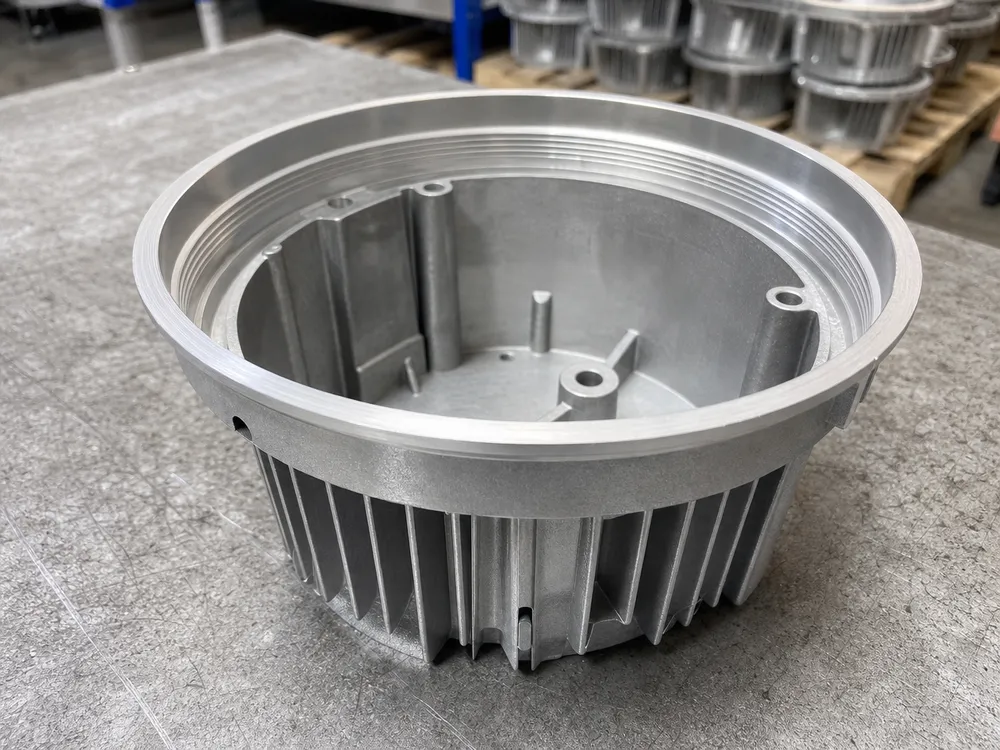
Trim Ring Seating: ±0.1mm Consistency
The trim ring seats into a machined groove in the housing, not a cast surface. That machining step is what gives us the ±0.1mm seating diameter consistency across a batch. For buyers supplying contractors who install 50–200 units per project, batch dimensional consistency is a real operational concern — inconsistent trim-ring fit means callbacks, and callbacks mean your contractor customer doesn't reorder.
Material Comparison: Why ADC12 Matters
ADC12 Die-Cast Aluminum
Higher-silicon alloy. ~96 W/m·K thermal conductivity. Tighter dimensional tolerances in die-casting. Reduced machining passes required.
Our StandardADC6 Aluminum
Lower-silicon alloy found in lower-cost fixtures. Wider dimensional variance in casting. More machining needed to meet trim-ring specs.
Common AlternativeZinc Alloy
Significantly lower thermal conductivity. Higher weight. Adequate for low-wattage decorative fixtures but insufficient for performance-grade recessed spotlights.
Budget TierPhotometric Performance and Certification — What Your Compliance Team Needs
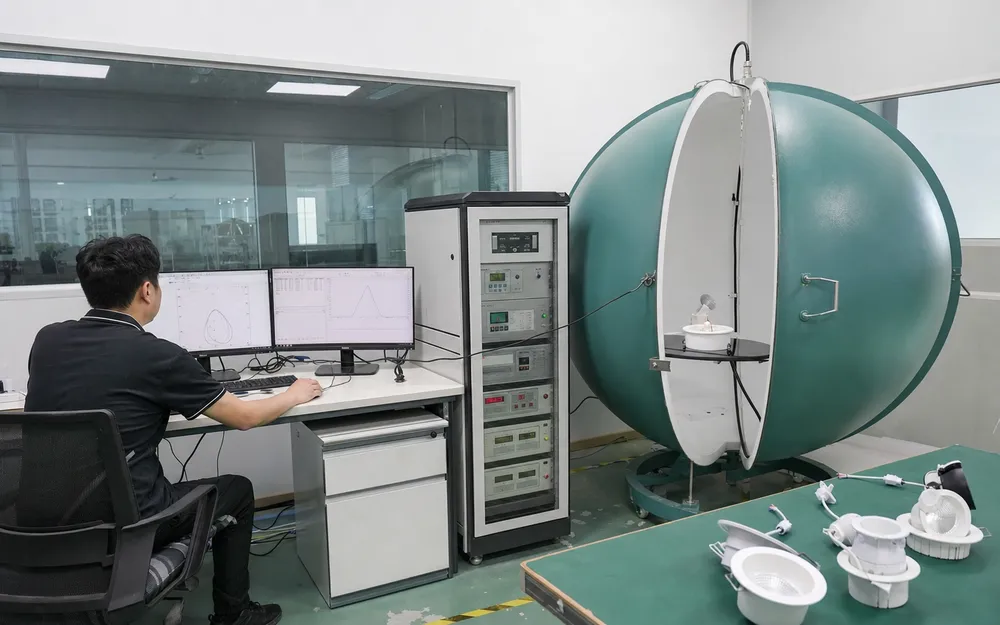
In-House Photometric Testing & IES Files
Every recessed spotlight design goes through photometric testing in our in-house optical lab before production starts. We measure lumen output, beam angle, and color rendering index against the approved spec, and we generate IES files from our own measurements — not from the LED manufacturer's datasheet.
For buyers supplying projects that require photometric data for lighting design submissions, this matters: an IES file generated from actual fixture measurements is what the lighting designer needs, not a theoretical curve.
Key distinction: Our IES files are generated from actual fixture measurements in our optical lab, not derived from LED chip manufacturer datasheets. This gives lighting designers the real-world photometric data they need for accurate project submissions.
Certifications Held on Standard Range
CE
European Market
Covers European market requirements for luminaire safety and electromagnetic compatibility.
UL 1598
North America
Covers US and Canadian market requirements — specifically UL 1598 for luminaires, the standard your import documentation will reference.
SAA
Australian Market
Covers the Australian market. SGS audit reports available on request.
Market Entry Advisory
For buyers entering new markets, we can advise on which certification applies to your destination and whether your target SKU is already covered or needs additional testing. We've had buyers discover mid-shipment that their product needed SAA and didn't have it — that's an expensive conversation. We'd rather have it before the order is placed.
Color Rendering Index (CRI) Options
Color rendering index is specified per SKU. We don't blend CRI grades within a batch; if you order CRI ≥ 90, the entire batch ships to that spec.
CRI ≥ 80
Standard ProductionCovers most commercial and residential applications. Suitable for office, corridor, general retail, and residential installations where color accuracy is not the primary specification driver.
CRI ≥ 90
Premium GradeAvailable for retail, hospitality, and gallery applications where color accuracy affects the end customer's product presentation or guest experience — and where your buyer can justify a higher price point.
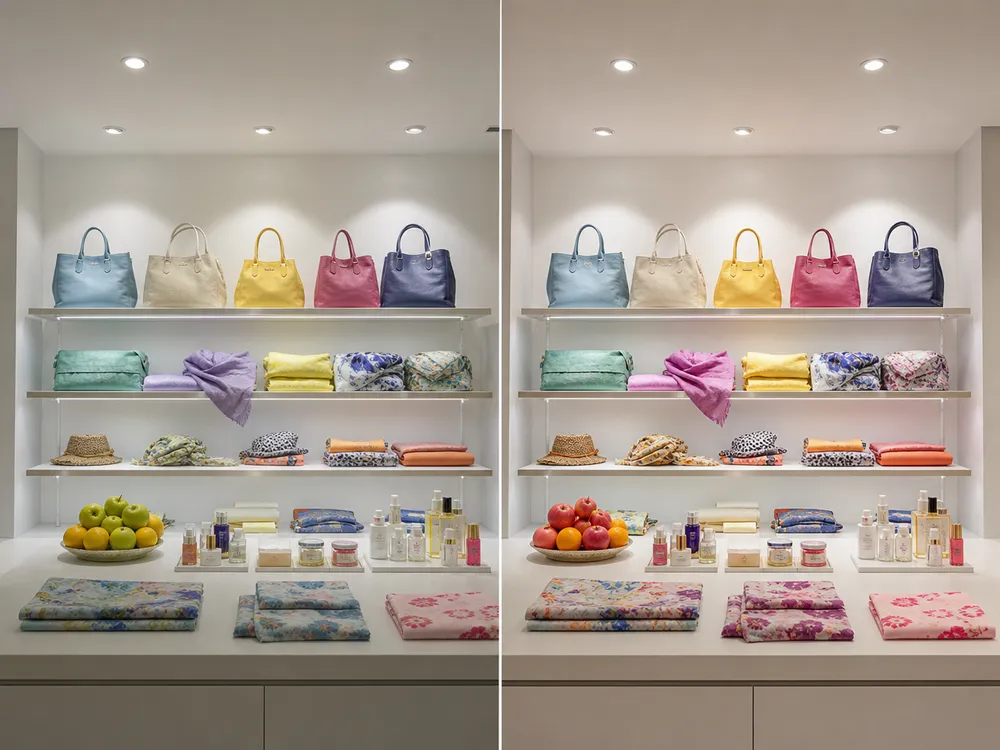
Market Segments Where Recessed Spotlights Generate Repeatable Volume
Recessed spotlights aren't a one-project product for most distributors — the segments below generate repeat orders because the application is structural, not decorative. Once a contractor or developer specifies a fixture, they tend to reorder the same SKU across multiple projects.
Hospitality Fit-Outs
Hotels, serviced apartments, boutique properties
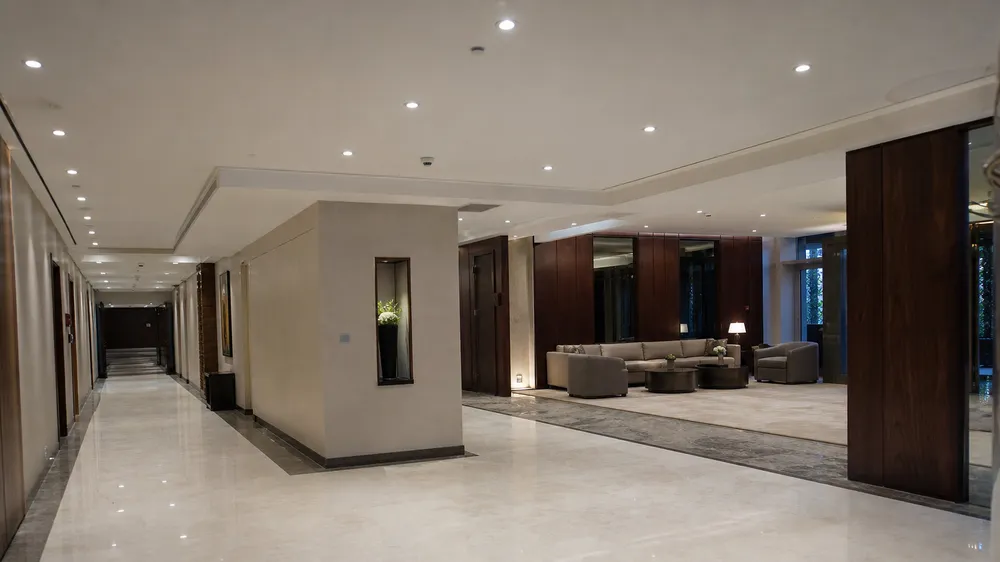
Hotel developers and FF&E contractors specify recessed downlights by the hundreds per property. A mid-scale hotel floor plate typically runs 80–150 recessed fixtures per floor across corridors, rooms, and common areas.
Developers building multiple properties in a region will standardize on a single SKU for procurement efficiency — if your product is on their approved list, you're looking at multi-property, multi-year volume.
Key Spec for This Segment:
We supply both CRI ≥ 90 and DALI-compatible configurations.
Commercial Office Fit-Outs
Developers, interior contractors
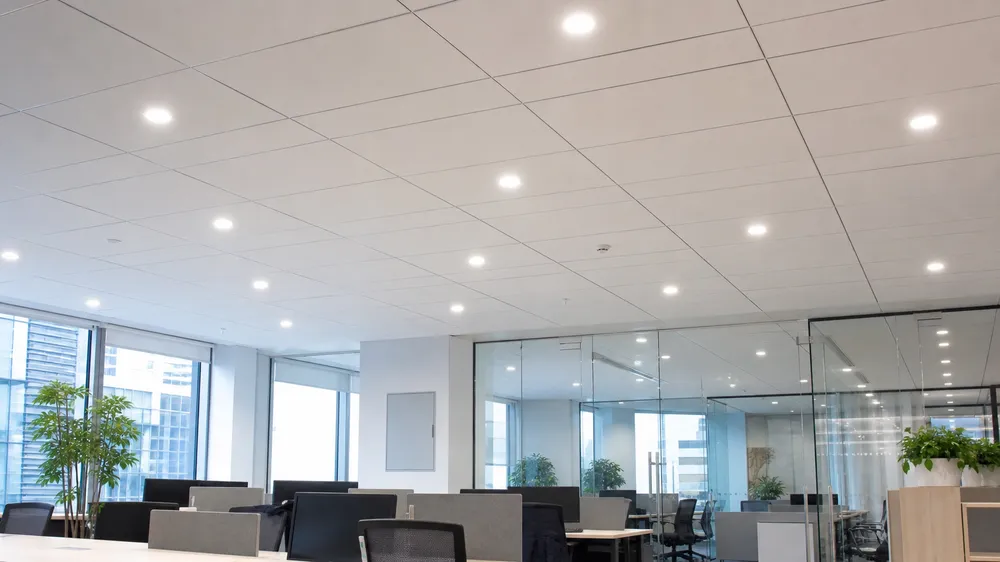
Open-plan office lighting is increasingly recessed downlight-dominant as suspended ceiling systems become standard in commercial construction. A 1,000 m² floor plate runs 60–120 recessed fixtures depending on spacing and wattage.
Developers and fit-out contractors in markets like Southeast Asia, the Middle East, and Australia are active buyers in this segment — these are markets where we already hold the relevant certifications.
Certifications Ready:
Your compliance documentation is ready when your customer asks for it.
Retail — Chain Rollouts & Flagship Stores
High-volume, high-repeatability buyers
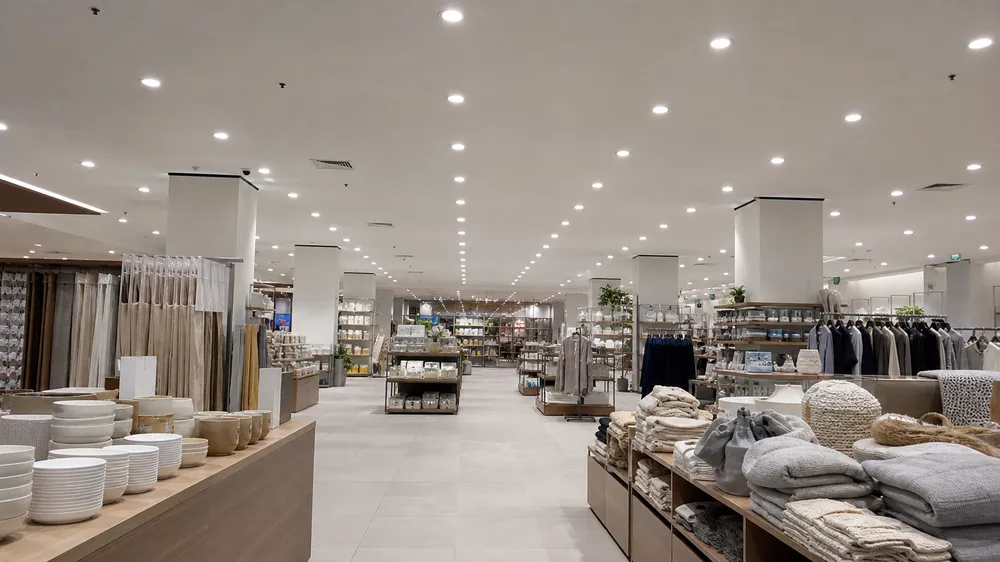
Retail chains rolling out new locations or refitting existing stores are high-volume, high-repeatability buyers. A single chain with 50 locations ordering 40–80 fixtures per store is a 2,000–4,000 unit program.
The reorder pattern here is strong: when a chain expands, they reorder the same SKU.
What Retail Buyers Care About:
- CRI — color accuracy affects how merchandise looks
- Beam angle consistency — uniform lighting across all locations
- Finish durability — brushed gold and matte black are dominant retail finishes (both dialed in on our powder line)
Residential Development
Luxury apartments and villas
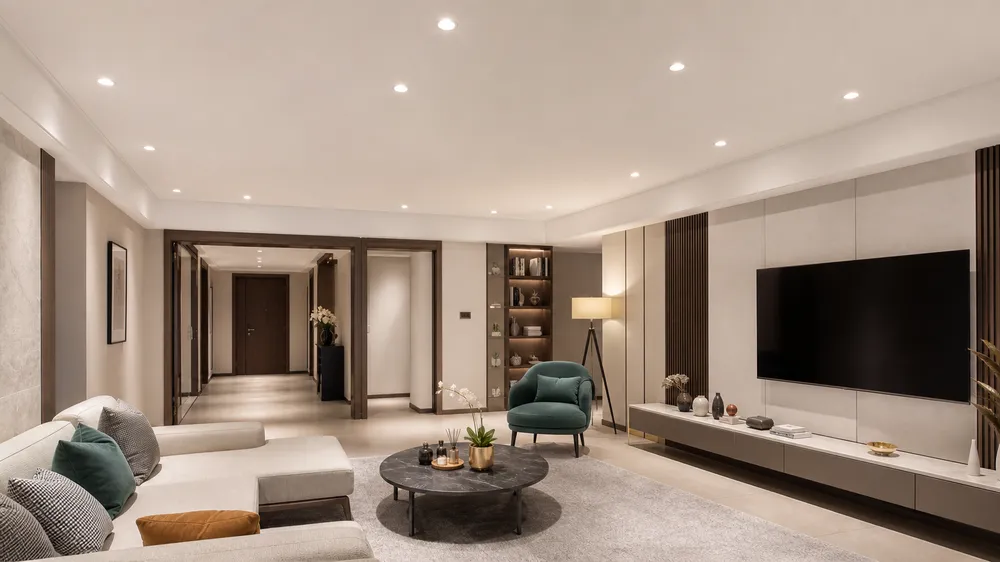
High-end residential developers specify recessed spotlights as the primary ceiling fixture in living areas, kitchens, and master bedrooms. Per-unit fixture counts run 20–60 depending on the floor plan.
Developers building 50–200 units per project are ordering 1,000–12,000 fixtures per development. This segment is particularly active in the Middle East and Southeast Asia — two of our primary export markets.
Dominant Preferences:
Aligns with our highest-volume production configurations.
Customization Parameters and OEM/ODM Scope
Recessed spotlights are one of the more customization-friendly products in the spotlight range because the housing geometry is relatively contained — changes to aperture size, trim ring profile, finish, and driver spec don't require full tooling replacement in most cases.
Customized Without New Tooling
Standard lead time applies
2700K, 3000K, 4000K, 5000K
≥80 or ≥90
24°, 36°, 60°
TRIAC, 0-10V, DALI
White, black, brushed gold, brushed nickel, or any RAL color (minimum batch applies for custom RAL)
IP20, IP44, IP65 (IP44/65 requires specific housing variant)
100–240V universal or market-specific
Requires Tooling Investment
Add 15–20 days for tooling cycle
Outside standard range
Profile or depth modifications
E.g., square aperture vs. round
Modifications for specific driver brands
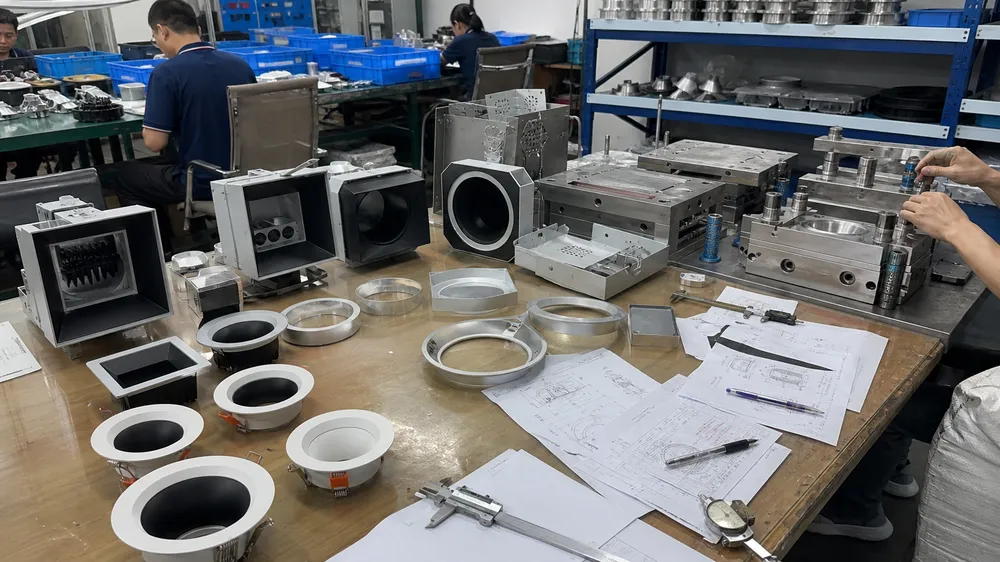
Full OEM/ODM Program Scope
We handle full OEM programs — your brand name, your packaging, your documentation.
For ODM projects where you're bringing a design concept, our engineering team works from reference images and target specs to develop production-ready drawings.
Custom RAL Colors
Available on runs of 100 units or more — below that, the powder line changeover cost doesn't make sense for either side.
For standard finishes (white, black, brushed gold, brushed nickel), there's no minimum batch restriction beyond the overall order MOQ.
Installation Geometry and Contractor-Facing Considerations
Recessed spotlights require a ceiling cutout, and the cutout diameter is the spec your contractor customers will use to plan their installation. We provide cutout templates and installation drawings with every order — not just the fixture dimensions, but the minimum ceiling void depth required for the housing, the clearance needed around the housing for thermal performance, and the junction box connection method.
Standard housing depth runs 80–120mm above the ceiling plane depending on wattage class. For suspended ceiling systems with 150mm+ void depth, this is straightforward. For renovation projects with shallower ceiling voids, we offer a low-profile housing variant with 65mm depth — worth knowing if your contractor customers are working in retrofit applications where ceiling void depth is constrained.
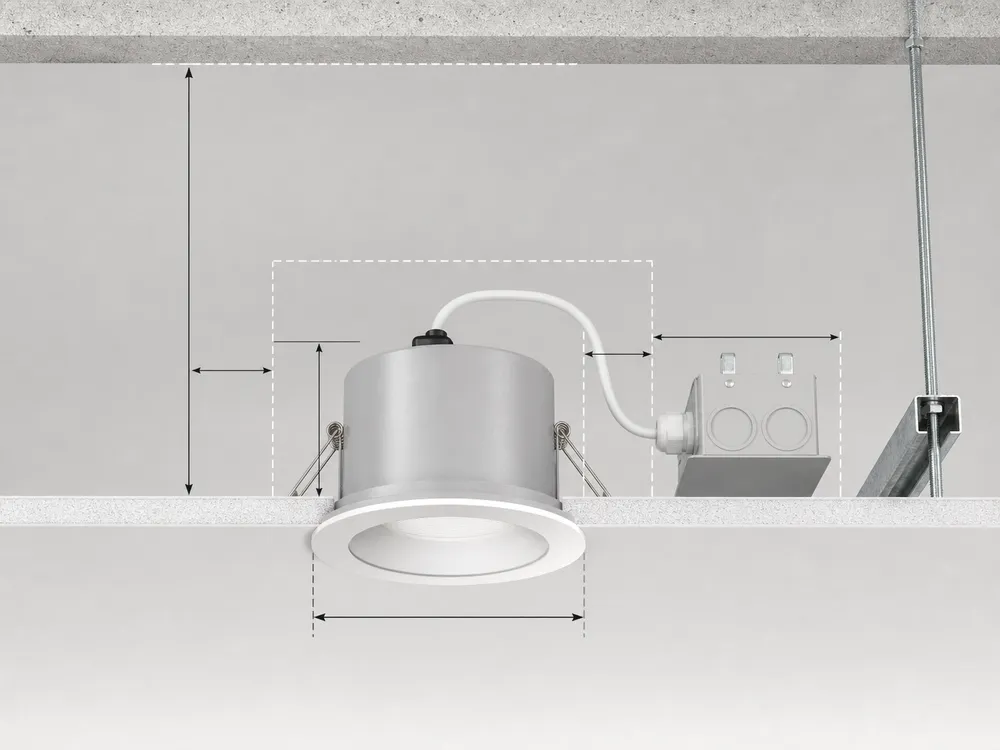
Trim Ring Mounting
The trim ring clips or screws to the housing from below the ceiling, so the fixture can be installed and removed without ceiling access above — relevant for maintenance in commercial installations where above-ceiling access is difficult.
Mounting Methods
Spring-clip mounting is standard. Screw-fix mounting is available for installations where vibration is a concern — near HVAC equipment, for example — ensuring the fixture stays secure under mechanical stress.
Wiring Connection
Push-in terminal block on the driver, rated for 2.5mm² conductors. Fast, tool-free connection that meets commercial wiring standards and reduces installation time on multi-fixture projects.
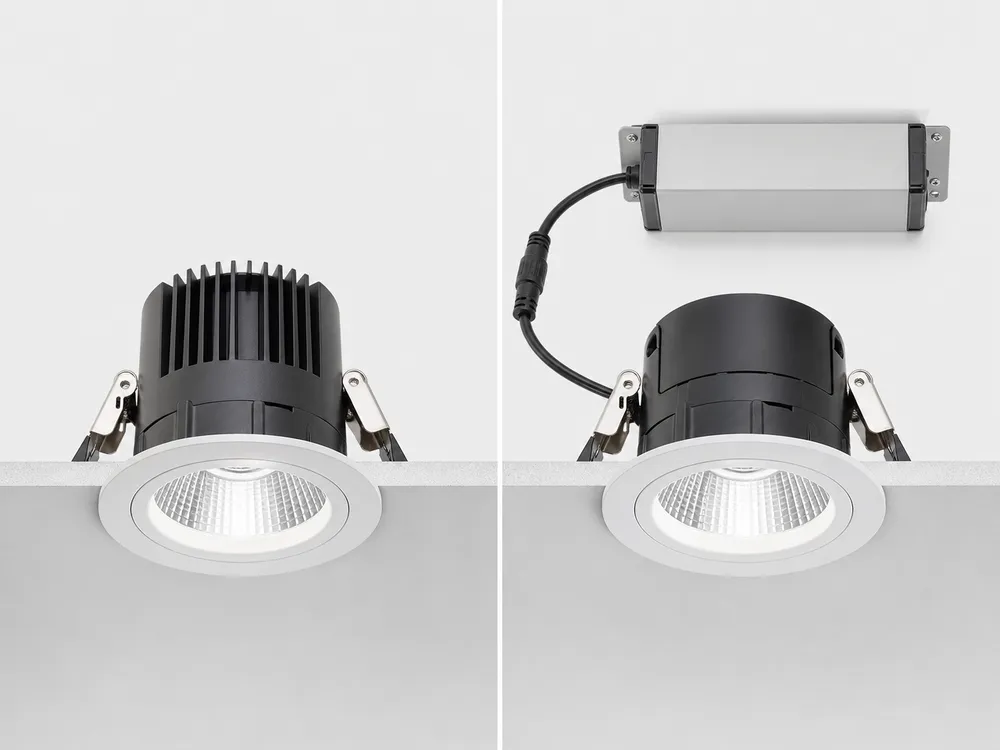
Driver Mounting Options
The driver is integrated into the housing on standard SKUs. Remote driver mounting is available for installations where heat management above the ceiling is a concern or where the driver needs to be accessible for maintenance without disturbing the fixture.
Integrated Driver
Standard — single-unit install, no remote wiring
Remote Driver
Separate mounting — better thermal isolation, easier service access
Housing Depth Quick Reference
| Configuration | Housing Depth | Recommended Void | Application |
|---|---|---|---|
| Standard Housing | 80–120mm | 150mm+ | New build, suspended ceilings |
| Low-Profile Variant | 65mm | 80mm+ | Retrofit, shallow ceiling voids |
Packaging, Container Loading, and Landed Cost
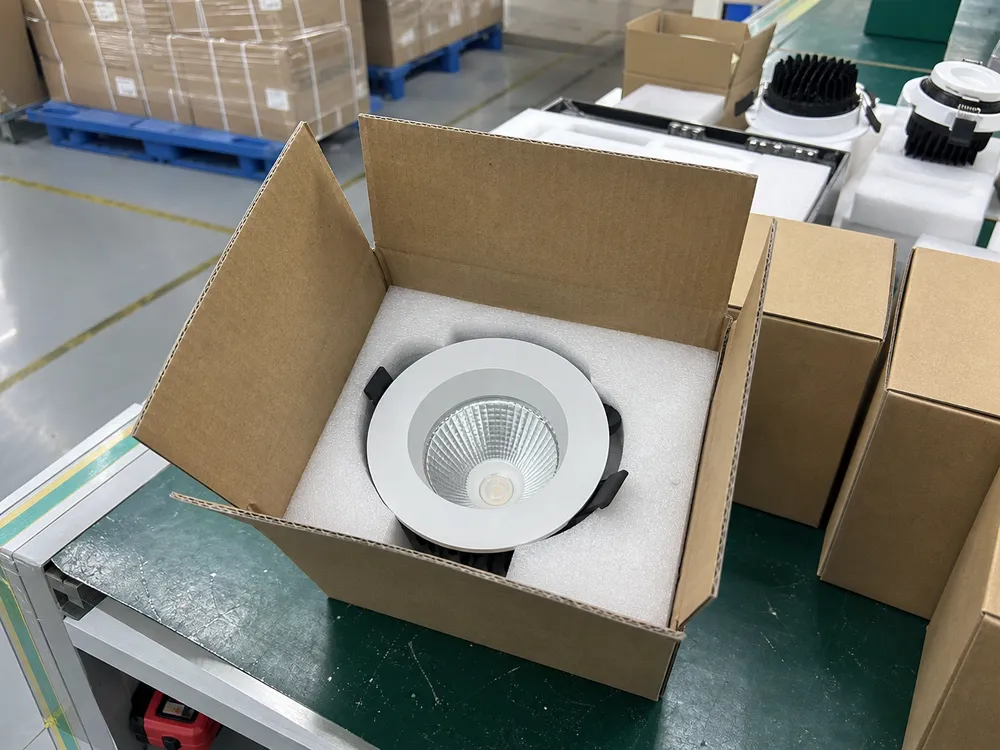
Each recessed spotlight ships in an individual foam-lined inner carton, with outer master cartons sized for standard pallet stacking. The inner carton protects the trim ring finish during transit — the trim ring is the visible surface, and finish damage in transit is the most common damage claim we see on recessed fixtures.
We added a foam insert specifically for the trim ring face after seeing damage patterns on early shipments to Australia; it added 8 cents per unit to packaging cost and eliminated the damage claims.
Damage Prevention
Dedicated trim ring foam insert — $0.08/unit cost addition that eliminated finish damage claims entirely.
Container Loading Efficiency
2,000–3,500
Units per 40HQ
70–100mm
Aperture Range
5–8%
Loading Optimization Gain
Loading Plan Included
Container loading efficiency for standard round recessed spotlights (70–100mm aperture range) runs approximately 2,000–3,500 units per 40HQ depending on wattage class and housing depth. We optimize master carton dimensions for container loading as part of the order setup — a 5–8% improvement in units per container is real freight savings on a 2,000-unit order. We provide a container loading plan with each shipment so your logistics team knows exactly what to expect.
E-Commerce Channel Packaging
Amazon, Wayfair, Independent Online Stores
- Individual retail packaging with your branding
- Barcode labeling and product inserts
- Blind drop-shipping available
- FBA-ready labeling on request
White-Label & OEM Packaging
Your Brand, Our Manufacturing
- White-label packaging with your brand name
- Custom product photography on carton
- Standard for all OEM orders
- Custom inserts and documentation included
Recessed Spotlights vs. Sibling Products — Choosing the Right Fixture
The spotlights and track lighting range covers several distinct product types. Here's where recessed spotlights fit relative to the closest alternatives:
| Recessed Spotlights | Ceiling Spotlights | Adjustable Spotlights | |
|---|---|---|---|
| Mounting | Flush into ceiling cutout | Surface-mounted on ceiling | Surface or track-mounted |
| Visible fixture body | None (trim ring only) | Yes | Yes |
| Directional flexibility | Fixed (some tilt models available) | Fixed or limited tilt | Full rotation and tilt |
| Installation complexity | Higher (requires cutout) | Lower | Lower |
| Best for | Clean ceiling plane, specification projects | Retrofit, no ceiling void | Accent lighting, flexible layouts |
| Ceiling void required | Yes (80–120mm typical) | No | No |
Clean Ceiling Plane
If your project or product line requires a clean ceiling plane with no visible fixture body, recessed spotlights are the right choice. Ideal for specification projects where architectural integration is paramount.
Directional Flexibility
If your customer needs directional flexibility after installation — retail accent lighting, gallery applications — look at our adjustable spotlights.
Retrofit Installations
If the installation is a retrofit where cutting into the ceiling isn't practical, ceiling spotlights are the simpler path.
Frequently Asked Questions
Technical and commercial answers for sourcing teams, specifiers, and distributors.
What IP rating do I need for recessed spotlights in bathroom or wet-area applications?
For bathroom zones in European and Australian markets, the standard requirement is IP44 minimum for Zone 1 (above the bath or shower, up to 2.25m height) and IP65 for Zone 0 (inside the bath or shower enclosure). Our standard recessed spotlight is IP20, which is suitable for dry areas only.
We offer IP44 and IP65 housing variants — these use a sealed housing with a gasket between the trim ring and ceiling, and a sealed LED module. If you're supplying to the Australian market, SAA certification covers the IP44 variant.
Specify the IP rating at order; it's a different housing SKU, not a field modification.
Why do recessed LED spotlights lose brightness after 12–18 months in some installations?
The most common cause is thermal management failure — the LED junction is running above its rated temperature, which accelerates lumen depreciation. This happens when:
- The housing is undersized for the wattage (inadequate fin surface area)
- The fixture is installed in an insulated ceiling without adequate clearance (the insulation traps heat)
- The driver is running the LED above its rated current
Our housings are designed with junction temperature below 75°C at rated wattage in a 25°C ambient with standard ceiling void clearance.
For insulated ceiling installations, we recommend the IC-rated (insulation contact) housing variant, which is designed to operate safely in direct contact with insulation. Ask us about IC-rated options if your market includes new residential construction where insulated ceilings are standard.
What is the minimum order quantity for recessed spotlights, and can I mix SKUs?
MOQ applies at the order level, not per SKU — contact us for current MOQ thresholds, as they vary by product configuration and customization scope.
For standard catalog configurations (no custom tooling, standard finishes), SKU mixing within an order is possible above a per-SKU minimum. For custom RAL finishes or non-standard configurations, per-SKU minimums apply due to production setup costs.
Most new buyers start with a sample order of 2–3 units per SKU before committing to production quantities.
What dimming protocols are compatible with your recessed spotlights, and does it affect certification?
We support TRIAC (leading and trailing edge), 0-10V, and DALI dimming — specify at order, as the driver is selected at production time and cannot be field-changed.
TRIAC
Most common for residential and light commercial applications.
0-10V
Standard for commercial office and hospitality where lighting integrates into a BMS.
DALI
Required for projects specifying addressable lighting control.
All three dimming variants are covered under our CE and UL certifications — the certification covers the fixture and driver combination, not just the fixture body. If your project specifies a particular dimmer brand, send us the model number and we'll confirm compatibility before the order is placed.
Recessed spotlights vs. recessed downlights: what's the difference for a sourcing decision?
The terms are often used interchangeably in the market, but there's a practical distinction worth knowing:
Recessed Downlights
Wider-beam, higher-lumen fixtures designed for general ambient illumination — beam angles of 60°–120°, wattages of 10W–30W, optimized for even coverage across a floor area.
Recessed Spotlights
Narrower-beam fixtures designed for accent or task illumination — beam angles of 15°–45°, optimized for directing light at a specific surface or object.
Our recessed spotlight range covers 24°–60° beam angles, which spans both accent and general illumination applications. If your project spec calls for recessed downlights in the wider-beam, ambient-lighting sense, our recessed ceiling lighting range may be the better fit — it covers the higher-lumen, wider-beam configurations.
Get a Quote for
Recessed Spotlights
Send us your project specs — cutout diameter, wattage, color temperature, beam angle, dimming requirement, IP rating, finish, destination market, and target volume. If you have a reference fixture you're currently sourcing, a photo and the key specs are enough to get started. Our engineering team will come back with a detailed quote, IES files for the relevant configurations, and a recommendation on which SKU fits your application.
Phone
+86 134 2021 9307Address
No. 14 Beisan Rd, Gusan Ind. Zone, Guzhen, Zhongshan, Guangdong, China
Explore related products