

Restaurant Lighting Built for Hospitality Projects
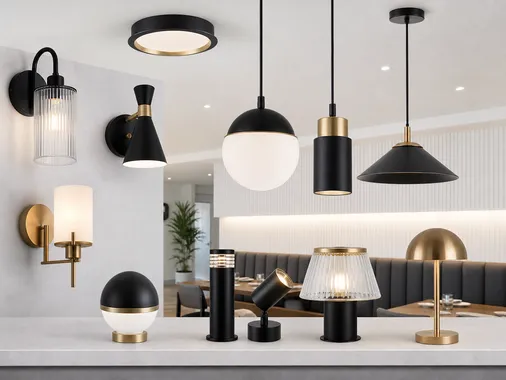
We manufacture pendants, chandeliers, wall sconces, and track lighting for restaurant groups, hospitality contractors, and distributors supplying the F&B sector. Full OEM/ODM capability, CE/UL/SAA certified, 600,000-luminaire annual capacity.
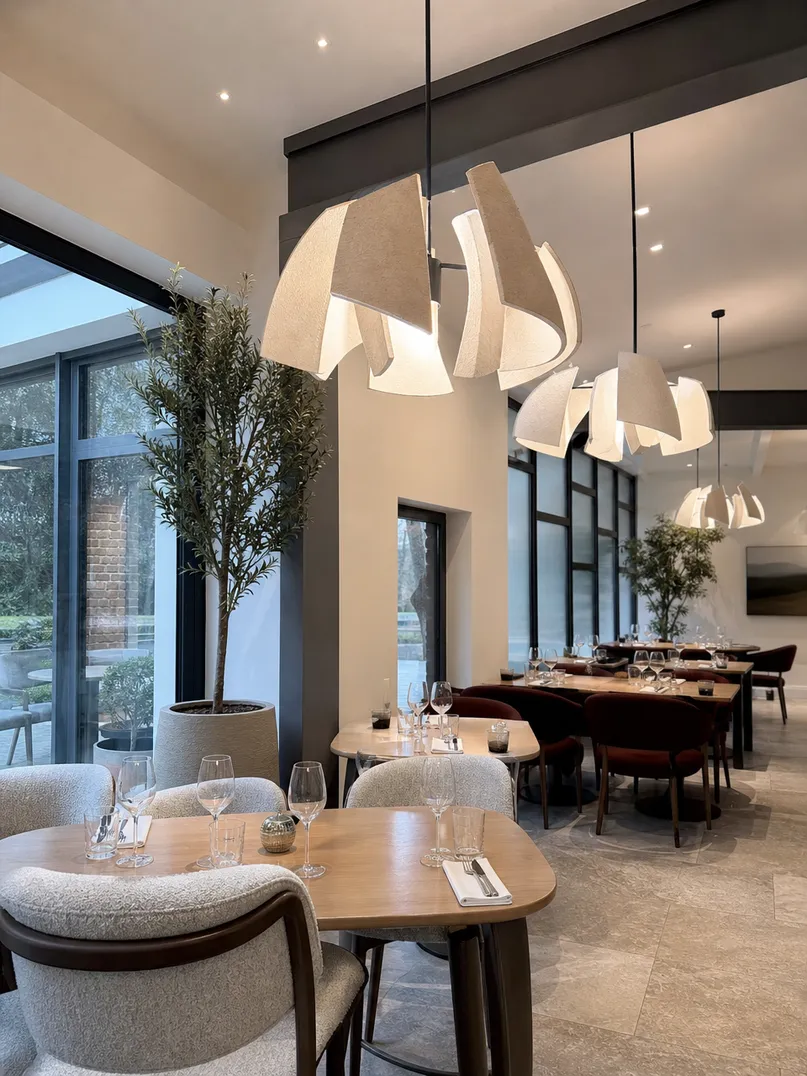
What Makes Restaurant Lighting a Different Sourcing Problem
Restaurant lighting sits at the intersection of two demands that rarely coexist comfortably: it has to carry strong visual identity — the kind that photographs well and reads as intentional design — and it has to survive a commercial environment that is harder on fixtures than most buyers anticipate. Grease vapor, humidity from open kitchens, frequent dimming cycles, and the physical reality of staff cleaning around fixtures every night add up to a durability requirement that standard decorative lighting often fails.
We've been supplying hospitality decorative lighting since the early years of the factory, and the failure patterns we've seen are consistent: finish degradation from cleaning chemicals, LED driver failures from thermal stress in poorly ventilated ceiling cavities, and glass shade breakage from vibration in high-traffic areas. The fixtures that hold up are the ones where the finish was applied correctly, the driver was specified for the thermal environment, and the glass was mounted with enough mechanical tolerance to absorb minor impacts without cracking.
That's the sourcing problem your buyers are actually solving when they specify restaurant lighting — not just aesthetics, but durability that protects their downstream customers' renovation investment over a 5–7 year lifecycle. When you're distributing to restaurant groups or supplying contractors who spec lighting for multi-location rollouts, a fixture that fails at 18 months creates warranty exposure and reorder friction that erodes your margin on the whole account.
Get a Quote for Restaurant Lighting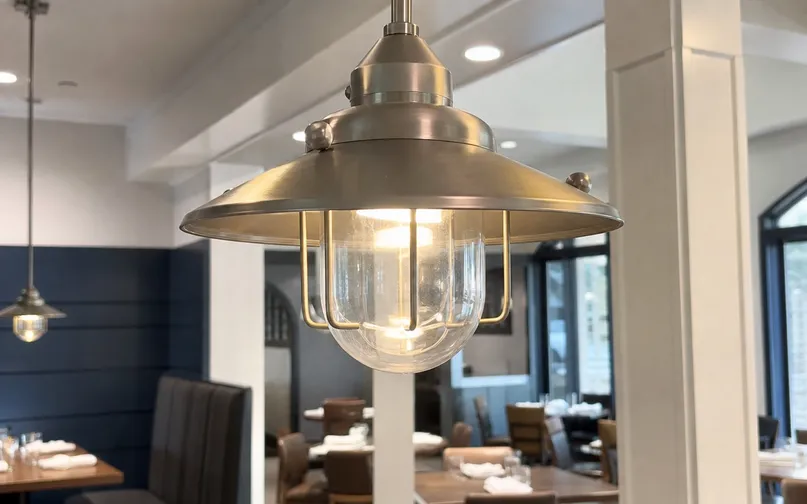
Finish Durability
Resists cleaning chemicals & grease vapor
Thermal-Rated Drivers
Specified for ceiling cavity heat
Vibration Tolerance
Glass mounted for high-traffic areas
Fixture Types We Manufacture for Restaurant Applications
Restaurant environments use a layered lighting approach — ambient, accent, and task — and the fixture mix varies significantly by venue type. We manufacture across the full range.
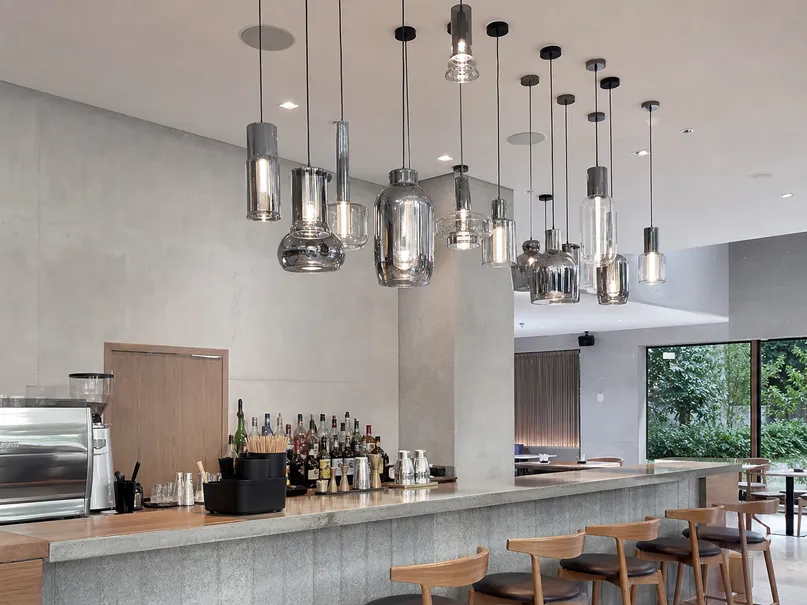
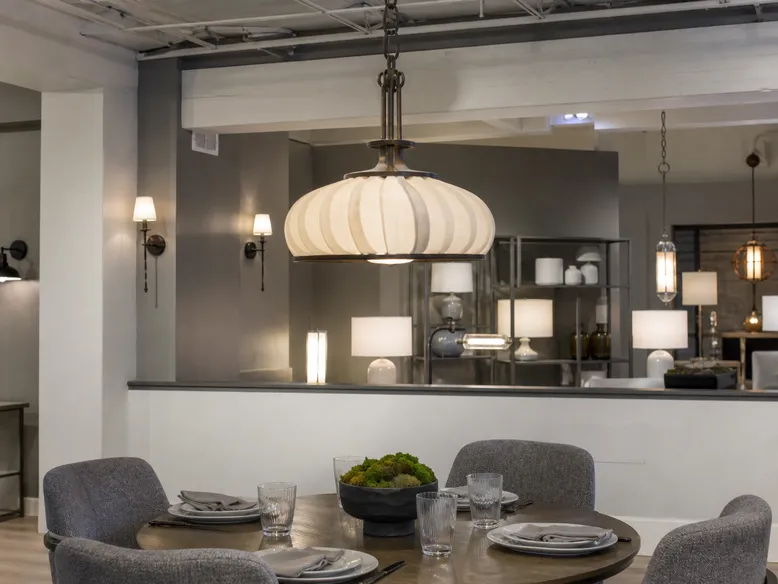
Decorative Pendants & Cluster Pendants
Highest-volume category for restaurant projects
Single pendants over bar counters and dining tables, cluster configurations for double-height spaces and feature ceilings. We run pendant production on dedicated lines — die-cast aluminum or zinc alloy housings, glass or metal shades, cord or rigid stem suspension.
Standard cord lengths run 1.0–3.0m adjustable; custom drop lengths available on OEM orders.
Chandeliers & Statement Ceiling Fixtures
Design anchors for hotel restaurants & fine dining
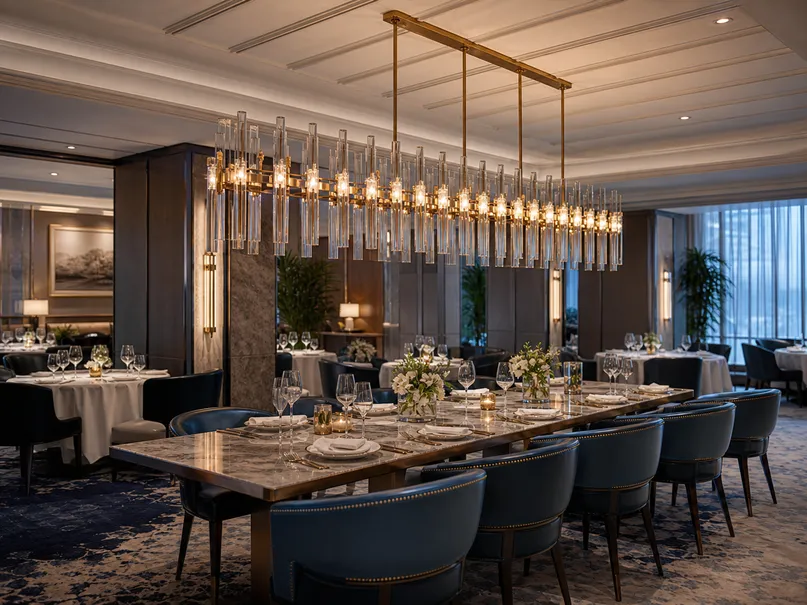
For hotel restaurants, fine dining, and upscale casual venues where the ceiling fixture is a design anchor. We manufacture multi-arm chandeliers, linear chandeliers for long dining tables, and large-format decorative ceiling pieces.
These are typically OEM or ODM projects — the geometry is venue-specific and the tooling investment is justified by the order volume.
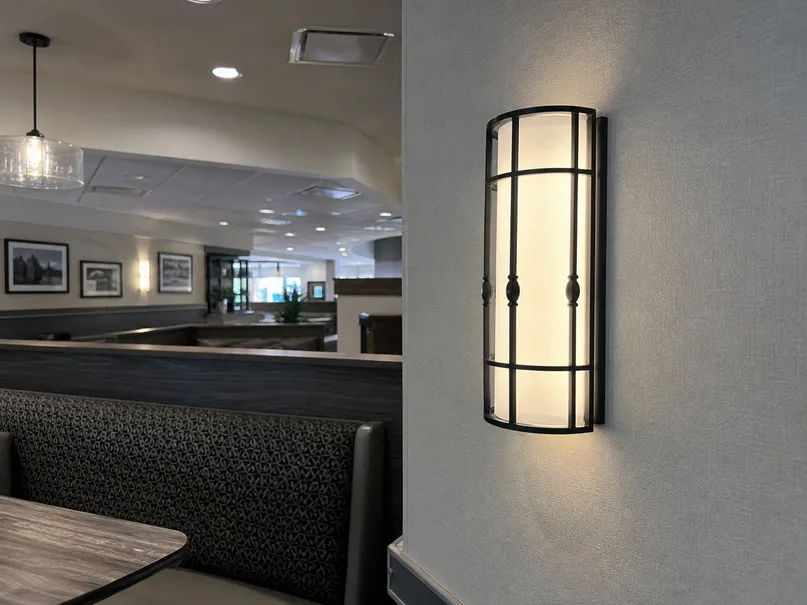
Wall Sconces
Perimeter, booth separation & corridor lighting
Used for perimeter lighting, booth separation, and corridor lighting in restaurant spaces. Our wall sconce range covers both decorative and semi-architectural styles.
For restaurant applications, we typically specify IP44-rated versions where the fixture is near kitchen pass-throughs or outdoor dining areas.
Specification note: IP44 is the minimum we'd recommend for any fixture within 2 meters of a commercial kitchen opening — we've seen standard IP20 sconces fail from steam exposure within a year.
Track Lighting & Adjustable Spotlights
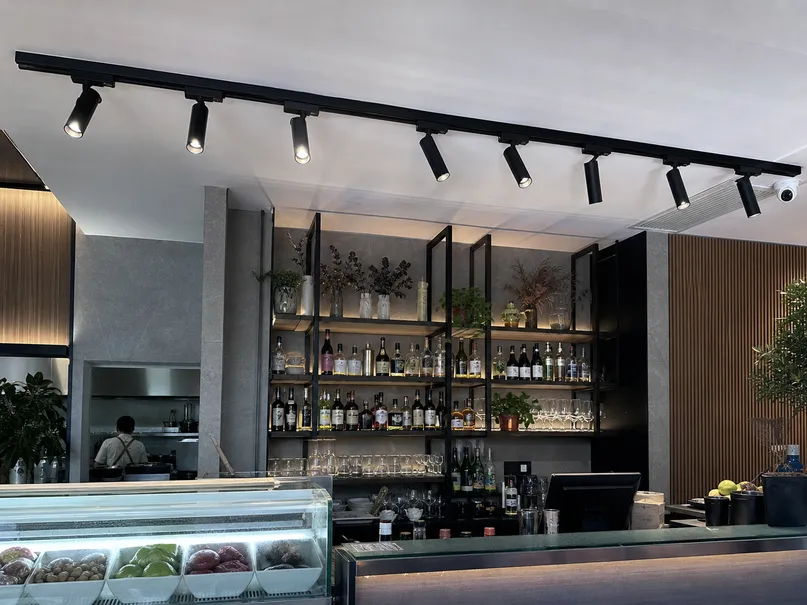
Accent lighting for food displays, bar shelving & artwork
For accent lighting over food displays, bar shelving, and artwork. Track systems allow contractors to adjust beam direction after installation — useful in restaurant fit-outs where the final furniture layout sometimes shifts from the original spec.
We manufacture both H-type and J-type track systems with compatible spotlight heads.
Custom Decorative Lighting
For restaurant groups with a defined brand identity
For restaurant groups with a defined brand identity, we develop fixtures from concept through production. This covers custom shade geometries, proprietary finishes, and branded hardware details.
See our hospitality custom lighting page for the full OEM/ODM process.
Technical Specifications for Restaurant Lighting
Industry-standard parameters for our restaurant lighting range. Actual specifications vary by SKU and customization requirements — contact us for product-specific data sheets.
| Parameter | Typical Range |
|---|---|
| Housing material | Die-cast aluminum, zinc alloy, steel |
| Shade material | Borosilicate glass, opal glass, metal, fabric |
| Finish options | Matte black, brushed gold, brushed nickel, antique brass, chrome, custom RAL |
| Powder coat thickness | 60–80μm |
| LED color temperature | 2700K–4000K |
| CRI | ≥90 Ra |
| Wattage range | 5W–120W per fixture |
| Dimming compatibility | TRIAC, 0–10V, DALI |
| Voltage | 100–240V AC |
| IP rating | IP20 standard; IP44 available |
| Suspension cord/stem | 1.0–3.0m standard; custom lengths available |
| Certifications | CE, UL, SAA |
Specifications shown are industry-standard values for this product range. Actual specifications may vary by SKU. Contact us for detailed product data sheets and photometric reports.
CRI ≥90 Ra as Standard
Not a premium option — included across the range
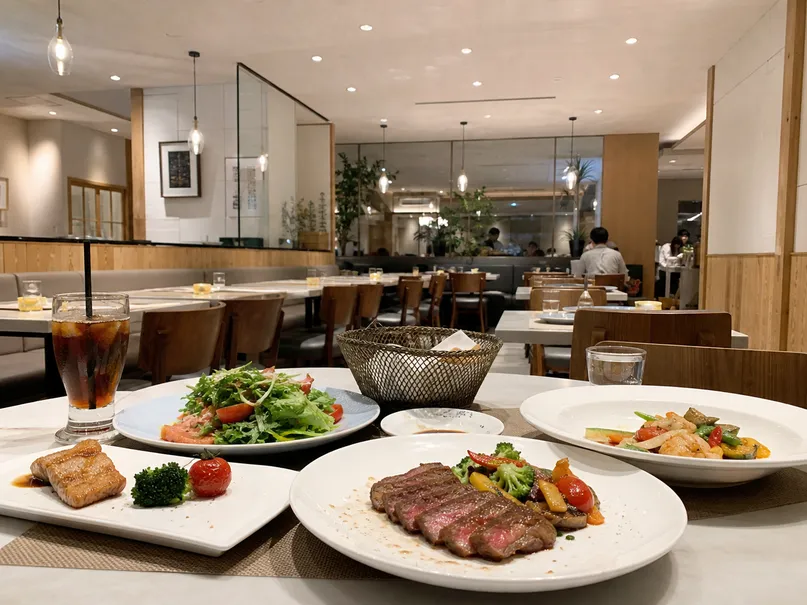
We run ≥90 Ra as standard across our restaurant lighting range — not as a premium option. Food presentation under sub-90 CRI lighting looks flat, and restaurant operators notice. For your downstream customers, this is a visible quality difference that justifies a higher price point and reduces the risk of complaints after installation.
Finish Durability: The Detail That Determines Your Warranty Exposure
This is where restaurant lighting sourcing goes wrong most often, and it's worth explaining how we handle it.
The Chemical Challenge
Restaurant environments are chemically aggressive. Cleaning staff use alkaline degreasers, acidic descalers, and disinfectants — often on the same surface in the same week. Standard powder coat applied over bare metal without proper pre-treatment will show adhesion failure within 12–18 months in these conditions.
The failure mode is subtle at first: micro-blistering at edges and weld seams, then visible peeling. By the time your customer notices, the fixture looks neglected and the warranty conversation starts.
Phosphate Pre-Treatment
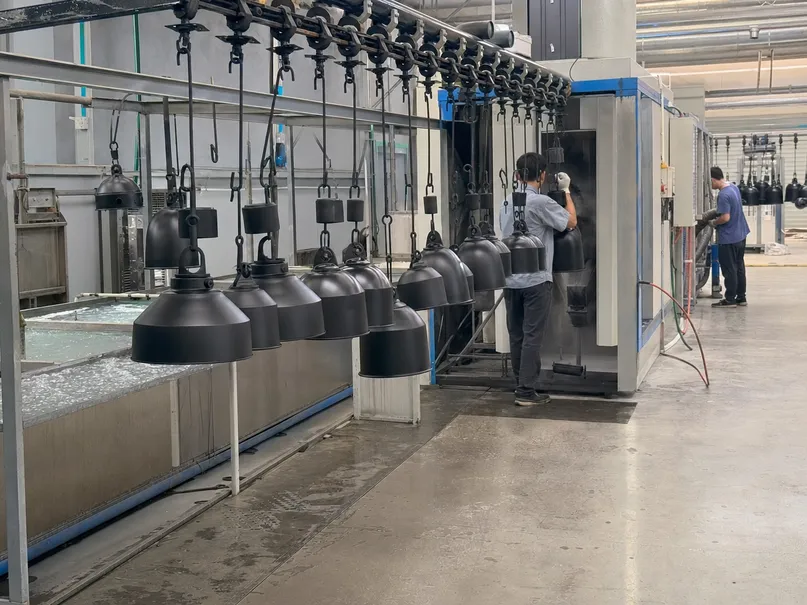
Our finishing process runs phosphate pre-treatment on all metal surfaces before powder coat application. The phosphate layer creates a chemical bond between the metal and the coating — it's not just mechanical adhesion. This is the step that prevents the edge-blistering and weld-seam failures common in restaurant environments.
Automated Powder Application
After pre-treatment, automated powder application runs at 60–80μm thickness, consistent across the batch. We cure at the correct temperature profile for the powder chemistry — this matters because under-curing leaves the coating soft and vulnerable to chemical attack even if it looks fine visually.
In-House PVD Finishes
For PVD finishes — brushed gold, rose gold, and similar metallic options — we run the PVD process in-house. PVD is significantly more durable than electroplated finishes in restaurant environments because the coating is harder and more chemically resistant.
PVD vs. Electroplating: The Cost Math
The trade-off is cost: PVD adds to unit price, but for fixtures in high-contact areas like bar pendants and booth sconces, the reduction in warranty claims makes the math work for most buyers.
PVD is recommended for high-contact zones. Electroplating remains suitable for ceiling-mounted fixtures in low-humidity environments where direct contact and chemical exposure are minimal.
Salt Spray Testing
Salt spray testing runs on finish samples before batch production commits. For buyers supplying coastal markets or humid climates — Southeast Asia, the Gulf, coastal Australia — we can provide salt spray test results as part of the order documentation.
Why We Added Phosphate Pre-Treatment
We added the phosphate step after seeing adhesion failures on a batch of bar pendants shipped to a Gulf distributor in 2016. The fixtures were in a high-humidity coastal environment and the cleaning regime was aggressive. That was an expensive lesson for both sides — and the reason this step is now non-negotiable in our process regardless of destination market.
Dimming Performance and Driver Specification
Restaurant lighting is almost always on a dimming system, and driver compatibility is where a significant percentage of post-installation complaints originate. The failure pattern: fixture dims correctly in the factory test, but flickers or drops out at low levels when connected to the venue's existing dimmer infrastructure.
We specify drivers per SKU rather than using a single driver across the range. For restaurant applications, the standard specification is TRIAC-compatible with a minimum dimming range of 5–100% — this covers the majority of installed dimmer brands in North American and European markets. For projects specifying DALI control systems (common in larger restaurant groups and hotel F&B), we offer DALI-compatible drivers as a configuration option.
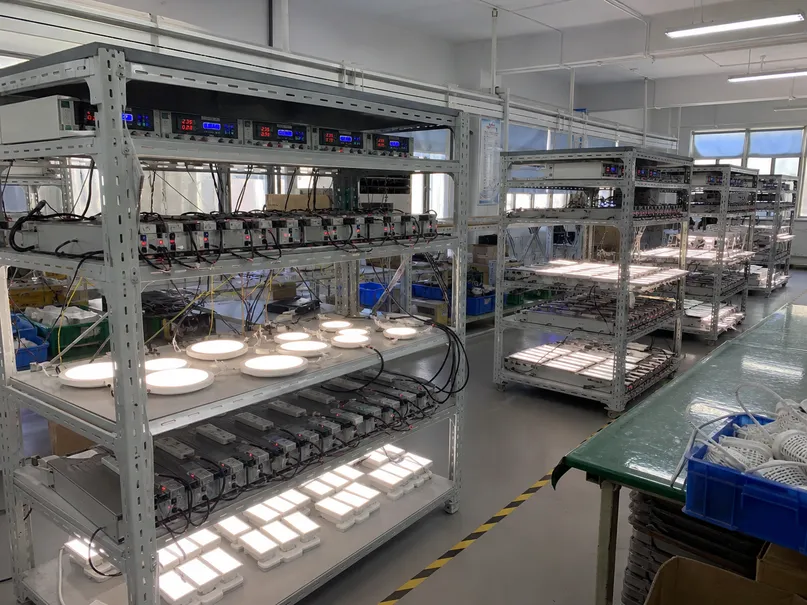
The driver cavity design matters as much as the driver spec. In pendant fixtures with enclosed housings, thermal management determines driver lifespan. We size the driver cavity to maintain junction temperature below 70°C at rated load — above that threshold, electrolytic capacitor degradation accelerates and you start seeing early failures at 2–3 years instead of the rated 50,000 hours. For fixtures going into low-ceiling applications or enclosed canopy installations, we can provide thermal simulation data on request.
100% aging test before shipment means every driver in every fixture runs powered for a minimum burn-in period before packing. Early-life driver failures — the ones that would show up in the first 200 hours of operation — are caught here, not at your customer's installation.
TRIAC Standard
5–100% dimming range, compatible with majority of installed dimmers in NA and EU markets
DALI Option
Configuration option for larger restaurant groups and hotel F&B projects using DALI control systems
Tj < 70°C
Driver cavity sized to maintain junction temperature below degradation threshold at rated load
100% Aging Test
Every driver runs powered burn-in before packing — early-life failures caught at factory, not at installation
Need driver specifications for your project?
We can provide thermal simulation data and driver compatibility documentation for your dimmer infrastructure.
Market Segments: Where Restaurant Lighting Generates Repeatable Volume
Restaurant lighting is not a single market — the order patterns, volume, and margin dynamics vary significantly by segment. Here's how we see the commercial landscape from the factory side:
Restaurant Chain Rollouts
QSR, Fast Casual & Full-Service Chains
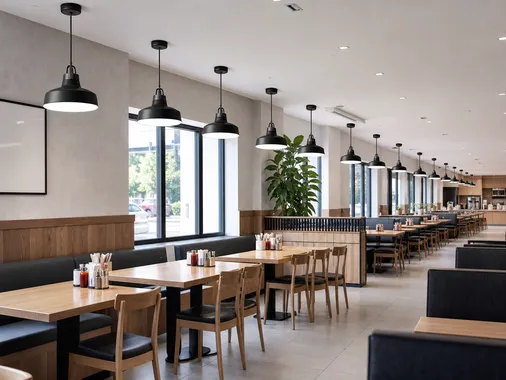
Multi-location restaurant groups — QSR, fast casual, and full-service chains — typically specify lighting as part of a brand standards package. A 50-location rollout at 20–40 fixtures per location is 1,000–2,000 units, often with a reorder cycle tied to renovation schedules every 5–7 years.
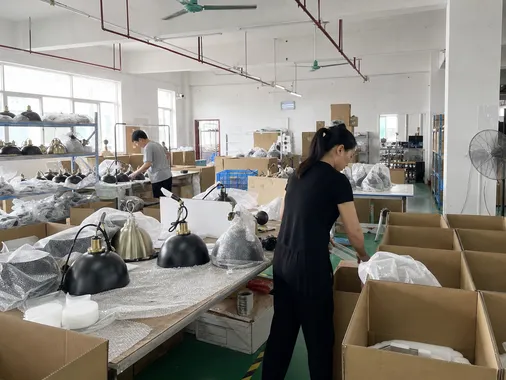
The key requirement is batch consistency: fixture 1,000 must match fixture 1 in finish color and lumen output. Our in-house finishing line and photometric verification process are specifically designed for this — we don't outsource the finishing on large batches, and we run photometric spot-checks throughout the production run to catch drift before it compounds.
Hospitality Contractors and Fit-Out Companies
Interior Design Specification & Custom Development
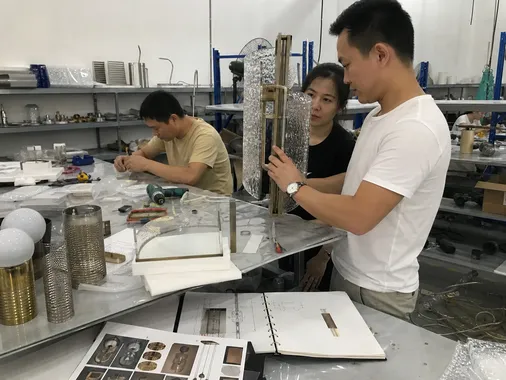
Contractors specifying lighting for restaurant fit-outs typically work from an interior designer's specification, which means the fixture needs to match a design intent rather than a catalog SKU. This is where our OEM capability is most valuable — we can develop a fixture from a reference image or sketch, produce a functional prototype in 7–10 working days, and move to production once the sample is approved.
For contractors managing multiple concurrent projects, we can hold tooling and run repeat orders against the same spec without re-sampling.
Distributors Supplying the F&B Sector
Catalog-Ready Hospitality Lighting Lines
Distributors building a hospitality lighting line need fixtures that photograph well for catalog use, hold finish quality across reorders, and come with the certification documentation their customers' compliance teams require. CE and UL certification are standard in our restaurant lighting range — the documentation package includes test reports and Declaration of Conformity, ready for your import team.
This segment has grown significantly for us over the last three years — hospitality renovation activity in North America and the Middle East has been strong, and distributors who built out a credible restaurant lighting line early have captured disproportionate share.
Overseas Manufacturers and Private Label Buyers
OEM/ODM Production Without Factory Infrastructure
Buyers developing their own branded restaurant lighting line use our OEM/ODM capability to source production without building factory infrastructure. We handle everything from design development through production and export packaging. Minimum order quantities apply — contact us for current MOQ by fixture type.
Custom Restaurant Lighting: OEM and ODM Capability
Probably 40% of our hospitality volume is OEM or ODM rather than catalog product. Restaurant groups and hospitality designers increasingly want fixtures that are specific to their brand — not available from a catalog that their competitors can also access.
OEM Path
Your drawings, our manufacturing
The OEM path starts with your drawings or reference samples. We review the design for manufacturing feasibility — flagging geometry that would require expensive tooling, finishes that add process steps, or component choices that create supply chain risk — and come back with a production-ready interpretation and a tooling cost estimate.
7–10 working days from approved drawings to physical sample. That's a functional sample with production-intent finishing, not a mock-up.
ODM Path
Your concept, our engineering
The ODM path starts earlier: you bring a concept, a reference image, or a target price point, and our engineering team develops the design. We've done this enough times in the restaurant segment to know what works:
- Which shade geometries hold up to cleaning
- Which suspension systems are installer-friendly
- Which finishes photograph well under warm light
We flag the cost traps early rather than quoting them in and surprising you at the tooling stage.
Custom Options & Minimums
Custom Finishes
Available on runs over 100 units — below that threshold, the powder line changeover cost doesn't make sense for either side.
PVD Custom Colors
Minimum is higher than standard powder coat. Contact us for current minimums by finish type.
Custom Hardware Details
Custom cord colors, custom canopy shapes, hooks, rosettes, and junction boxes — all available within standard lead times.
Developing a Restaurant Lighting Line for Distribution?
For buyers developing a restaurant lighting line for distribution, we can also provide:
- White-label packaging
- Private label documentation
- Blind shipping to your warehouse or 3PL
Certifications and Compliance for Hospitality Projects
Restaurant lighting in commercial projects typically requires certification documentation for building permit sign-off, insurance compliance, and in some markets, mandatory inspection. The certifications we hold cover the major export markets.
CE — European Market
Covers Low Voltage Directive and EMC requirements. Declaration of Conformity and test reports available per SKU.
UL — North American Market
UL listing is required for commercial installations in most US jurisdictions and is standard for Canadian projects. We maintain UL certification on our core restaurant lighting range.
SAA — Australian Market
Required for commercial electrical installations in Australia and New Zealand.
SGS — Export Quality Audit
General export quality audit. SGS audit reports available on request.
ISO 9001:2015
Quality management system certification covering our full production process.
Energy Efficiency Documentation
For buyers supplying markets with specific energy efficiency requirements — California Title 24, EU ErP Directive — we can provide fixture efficacy data and driver efficiency documentation.
IES Files for Lighting Design
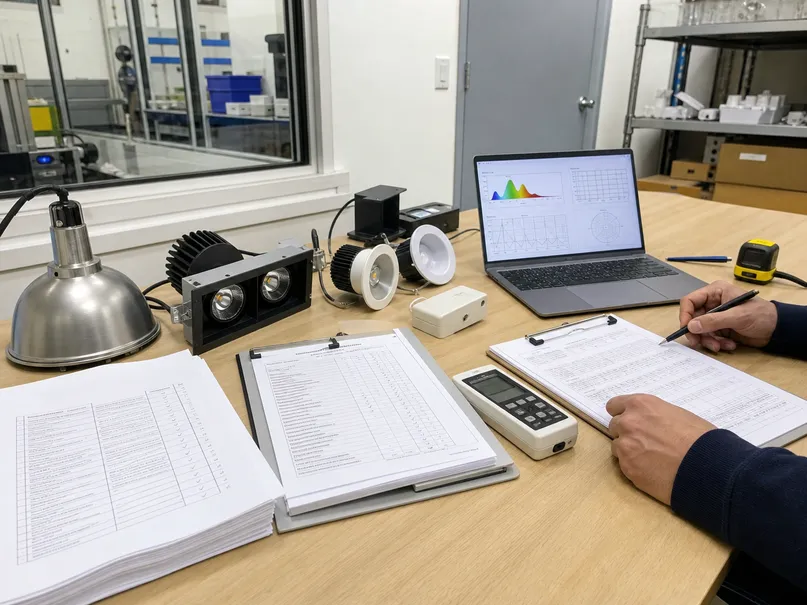
For projects requiring IES files for lighting design software (AGi32, DIALux), our optical lab generates these from in-house photometric measurements.
RoHS & REACH Compliance
RoHS compliance is standard across our LED driver and component selection. For buyers supplying markets with REACH or material safety documentation requirements, we maintain material declarations per SKU.
Packaging and Container Loading for Restaurant Lighting Orders
Restaurant lighting fixtures — particularly glass pendants and multi-arm chandeliers — are among the more fragile products in the decorative lighting category. Damage in transit is a margin problem: replacement units, customer complaints, and project delays all land on your account.
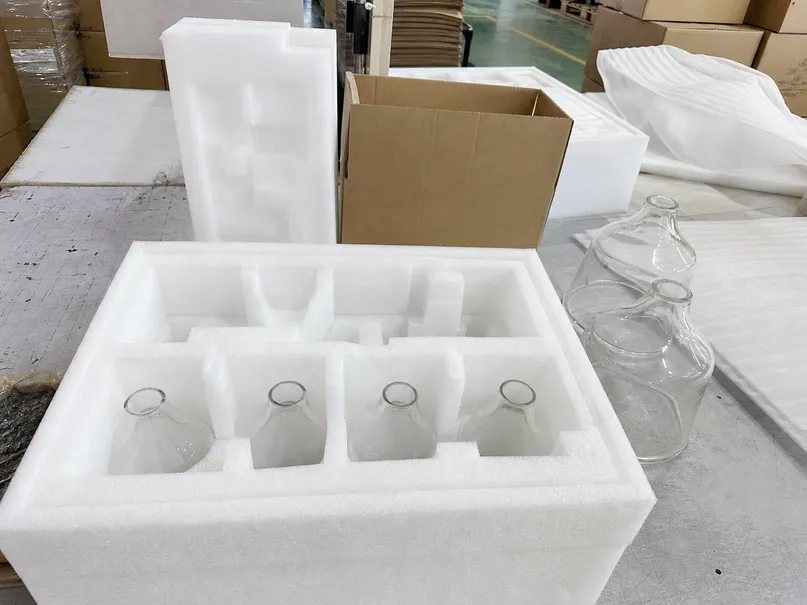
We engineer export packaging per SKU rather than using a generic carton spec. Glass shades ship in individual foam-lined inner cartons with EPE foam inserts cut to the shade geometry — not generic foam blocks. Multi-arm chandeliers ship with each arm individually wrapped and the main body in a custom-formed inner carton, with outer carton reinforcement rated for the compression forces of ocean freight stacking.
For pendant clusters, we pre-assemble the canopy and cord bundle and pack the shades separately to reduce the risk of shade-to-shade contact during transit.
40HQ Container Loading Optimization
For large-volume orders, we optimize carton dimensions for 40HQ container loading efficiency. A 5–8% improvement in units per container is real money on a 1,000-unit order — we run the container loading calculation as part of the order confirmation process and flag cases where a minor carton dimension adjustment would meaningfully improve loading density.
E-Commerce and Amazon FBA Packaging
For buyers supplying e-commerce channels or Amazon FBA, we can configure packaging for direct-to-consumer shipment: individual retail cartons with product photography panels, FBA-compliant labeling, and assembly instructions in the destination market language. Blind drop-shipping and white-label packaging are available on request.
Glass Shade Protection
Individual foam-lined inner cartons with EPE inserts cut to shade geometry
Chandelier Arm Wrap
Each arm individually wrapped, main body in custom-formed inner carton with reinforced outer
Pendant Cluster Packing
Canopy and cord pre-assembled; shades packed separately to prevent shade-to-shade contact
FBA-Compliant Labels
Retail cartons with photography panels, compliant labeling, and localized assembly instructions
Standard Lead Times
Catalog Items
25–35 days from order confirmation
OEM / ODM (New Tooling)
Add 15–20 days for tooling cycle before production starts
Frequently Asked Questions: Restaurant Lighting Sourcing
What CRI rating should restaurant lighting have, and does it affect certification requirements?
For dining areas, ≥90 CRI Ra is the practical minimum — food presentation under lower CRI looks flat and affects how dishes photograph, which matters to restaurant operators running social media. For bar areas and kitchens, ≥80 CRI is acceptable.
CRI doesn't directly affect CE or UL certification requirements, but some hospitality brand standards specify minimum CRI as part of their lighting spec. We run ≥90 Ra as standard across our restaurant range, so this is covered without needing to specify it separately.
What IP rating do I need for restaurant lighting near commercial kitchens?
IP44 is the minimum for fixtures within 2 meters of a kitchen opening, pass-through, or dishwashing area — these zones have steam and grease vapor that will degrade IP20 fixtures within 12–18 months. For outdoor dining areas, IP44 covers most covered terrace applications; fully exposed outdoor fixtures should be IP65.
Our standard restaurant lighting range is IP20; IP44 versions are available on most pendant and sconce SKUs — specify at the time of inquiry.
Why do restaurant pendant lights flicker or drop out at low dim levels after installation?
The most common cause is driver-dimmer incompatibility. TRIAC dimmers have a minimum load threshold — below that threshold, the driver doesn't receive enough current to regulate properly and the output becomes unstable.
The fix is either a driver with a wider TRIAC compatibility range (we specify this on our restaurant range) or a load correction device at the dimmer. If you're supplying a project where the dimmer brand is known, send us the dimmer spec and we'll confirm compatibility before the order ships.
What is the minimum order quantity for custom restaurant lighting with a proprietary finish?
For custom powder coat colors (RAL or brand-matched), the minimum is typically 100 units per finish — below that, the line changeover cost makes the per-unit economics impractical. For PVD custom colors, the minimum is higher; contact us for current figures.
Standard catalog finishes (matte black, brushed gold, brushed nickel, antique brass) have no finish-specific MOQ beyond the standard order minimum. Custom shade geometries requiring new tooling have a tooling cost that is amortized over the first production run — we'll provide the tooling cost estimate as part of the OEM quotation.
How do you ensure finish consistency across a multi-location restaurant rollout?
Finish consistency across a large batch comes down to three things: automated application (not manual spray), controlled cure temperature, and batch documentation. Our powder line runs automated application at 60–80μm — the same thickness on unit 1 and unit 500.
We record the cure temperature profile for each production batch and retain finish samples for 12 months after shipment. If a reorder comes in 18 months later, we match against the retained sample rather than relying on the original color code alone.
For large rollouts, we can also provide pre-production finish approval samples before committing the full batch.
Can you supply restaurant lighting with DALI dimming for a smart building integration?
Yes. DALI-compatible drivers are available as a configuration option on most of our restaurant lighting range. DALI is increasingly specified in larger restaurant groups and hotel F&B spaces where the lighting is integrated into a building management system.
Specify DALI at the time of inquiry — it affects driver selection and adds a small cost premium over standard TRIAC. For projects requiring DALI commissioning documentation, we can provide driver data sheets and addressing specifications.
Related Lighting Applications
Restaurant lighting sits within a broader hospitality and premium commercial context. If your project or product line extends beyond the restaurant segment, these adjacent categories share fixture types, certification requirements, and supply chain logic.
Hotel Lighting
Guestroom, lobby, and F&B lighting for hotel projects. Overlaps significantly with restaurant in fixture types but adds guestroom-specific requirements — bedside reading, bathroom vanity, wardrobe lighting.
Hospitality Custom Lighting
Full OEM/ODM development for hospitality brands requiring proprietary fixture designs across multiple venue types. Custom engineering from concept to container.
Pendant Lighting
Our full pendant range, including styles suited to restaurant applications across price points and aesthetic directions. Available in standard and custom configurations.
Chandelier Lighting
Statement ceiling fixtures for fine dining, hotel restaurants, and upscale casual venues. Multi-arm, tiered, and sculptural configurations available at wholesale scale.
Explore Other Application Pages
Start Your Restaurant Lighting Inquiry
Most buyers in the restaurant lighting segment start with one of two situations: a specific project spec that needs a factory match, or a product line gap they're trying to fill with a reliable source. Either way, the fastest path forward is to send us the details.
For Project Inquiries
Share the fixture types, quantities, finish requirements, and any certification constraints. We'll come back with a detailed quote and, where relevant, a recommendation on configuration based on what's working for our existing hospitality buyers in your region.
For Product Line Development
Tell us your target market, price positioning, and volume expectations. We'll suggest a starter SKU mix or begin an OEM development conversation based on what's moving in your segment.
Wholesale only. Strict MOQ applies.
Contact Details
Phone
+86 134 2021 9307
Address
No. 14 Beisan Rd, Gusan Ind. Zone, Guzhen, Zhongshan, Guangdong, China